
Candia Blog
What Should You Put Under a Mattress to Help It Last Longer?
A mattress does not function on its own. The bed base underneath it, air circulation and everyday care can all affect how well it maintains its structure and feel over time.
If you are wondering what to put under a mattress, the short answer is: a suitable, stable bed base that allows adequate ventilation and, where needed, a specially designed under-mattress protector placed between the mattress and the bed. There is no need for improvised additions, cardboard or plastic materials that may trap moisture or create uneven support.
Proper support is only the beginning. To care for your mattress over the long term, you should also keep it dry, allow it to air out, use a mattress protector and follow the rotation or flipping instructions for your specific model.
What Should Be Under a Mattress?
A mattress should rest on a surface that provides even support, can withstand the total weight and is compatible with its construction. Depending on the bed and mattress model, this may be a complete bed base or a slatted bed frame.
The main requirements are:
- Stable and level support.
- Proper compatibility with the mattress dimensions.
- Adequate air circulation.
- All slats and support points should be in good condition.
- Compliance with the manufacturer’s instructions.
The bed base should allow adequate ventilation and support the mattress evenly. An incorrect or incompatible structure may cause premature wear and may even affect warranty coverage. Before combining a mattress with any type of bed base, check the relevant specifications—not only the external dimensions.
Why the Right Bed Base Affects Mattress Lifespan
A suitable bed base helps the mattress support weight without large gaps or unsupported areas. When a slat is broken, missing or positioned at a different height, pressure may not be distributed as intended, which can lead to localised unevenness.
In Candia’s bed base collection, you can compare different types of bed bases. Your choice should not be based on appearance alone: consider the level of support, dimensions and the mattress manufacturer’s instructions.
What Is an Under-Mattress Protector?
An under-mattress protector is placed between the mattress and the bed. Its purpose is to create an additional protective layer at the point where the mattress comes into contact with the bed frame or wooden slats.
It should not be confused with a mattress protector placed on top of the mattress, underneath the fitted sheet. The first protects the underside of the mattress from contact with the bed base. The second acts as an everyday barrier against moisture, perspiration and stains.
In-Between Plus Under - Protective carpet
The In-Between Plus is an under-mattress protector placed between the mattress and the bed. It is designed for use with beds featuring a slatted bed frame or wooden slats.
Before choosing it, measure the dimensions of your mattress and check that the protector lies flat without folding or creating excess bulk in specific areas.
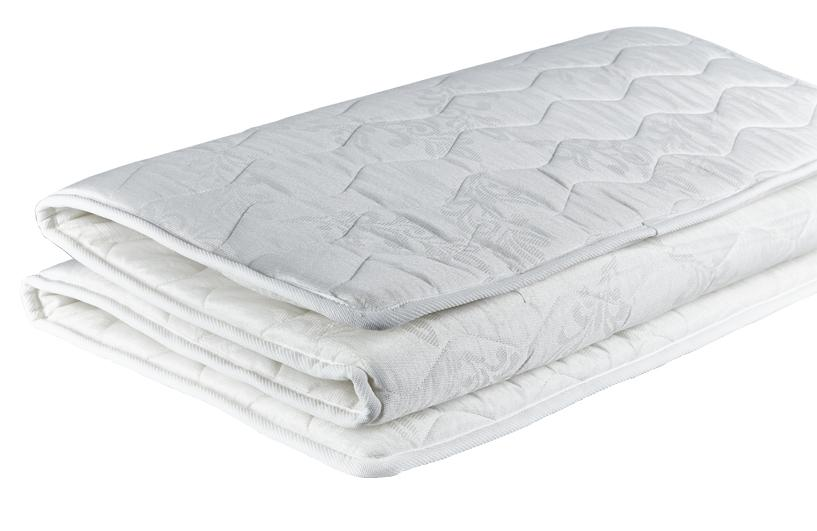
Product URL: https://www.candia.gr/en/sleep-accessories/between-plus
In-Between Under - Protective carpet
The In-Between protector is placed between the mattress and the bed and is designed for use with a slatted bed frame or wooden slats. It creates a protective layer that limits direct contact between the underside of the mattress and the bed base.
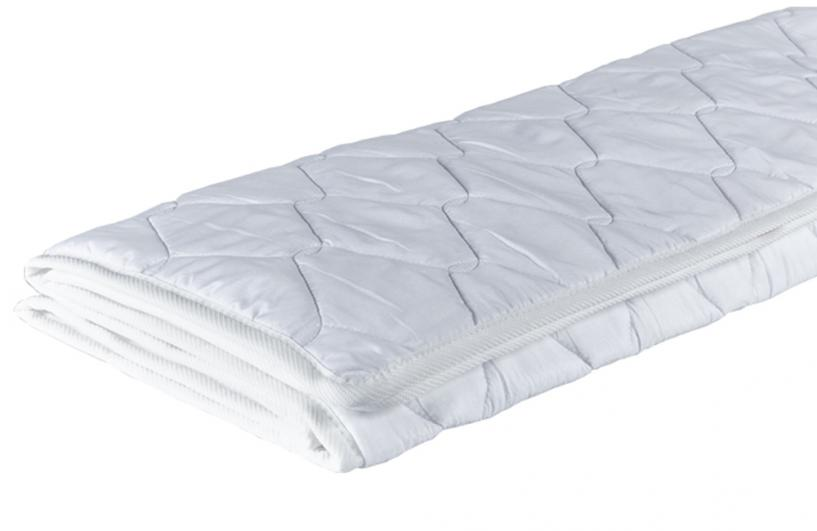
Product URL: https://www.candia.gr/en/sleep-accessories/between
An under-mattress protector does not correct a worn or unsuitable bed base. If there are broken slats, gaps or instability, the underlying issue should be repaired first.
Can You Place a Mattress Directly on the Floor?
Placing a mattress directly on the floor may seem practical, but it requires extra attention when the floor is cold or there is moisture in the room.
As a permanent solution, this setup should be assessed according to the manufacturer’s instructions. If a mattress is temporarily placed on the floor, it should be lifted regularly to allow it to air out and to inspect the underside. If moisture or an odour develops, the cause should be addressed rather than simply covered up.
Do not place plastic sheeting, nylon or any other non-breathable material underneath the mattress in an attempt to protect it. Doing so may further restrict ventilation.
What Should You Avoid Putting Under a Mattress
Avoid materials and improvised solutions that alter the support provided or trap moisture, such as:
- Cardboard and boxes.
- Plastic sheets or nylon.
- Old fabrics that fold or retain moisture.
- Slats with different thicknesses.
- Pieces of wood with sharp edges or protrusions.
- Additional panels that have not been approved by the manufacturer.
If the mattress appears to be sagging, first inspect both the bed base and the mattress itself. Adding another material underneath will not repair a mattress core that has lost its support.
How to Extend the Lifespan of Your Mattress
A mattress’s lifespan does not depend on one single action. It is influenced by small habits that help reduce uneven wear, moisture and stains.
Rotate the Mattress According to the Instructions
Rotate the mattress every three months, provided that this is recommended for the specific model. Rotation means moving the end that was positioned at the headboard to the foot of the bed, helping distribute pressure across different areas.
Before following any schedule, read the instructions for your specific mattress. The recommendations provided for the individual model should always take priority.
Flip the Mattress Only When Permitted
Flipping a mattress every six months applies only to mattresses designed for use on both sides. A single-sided mattress should not be flipped unless the manufacturer specifically recommends it. If you are unsure, check the product label or information booklet before turning it over.
Allow the Mattress to Air Out Regularly
Leave the mattress uncovered for a short period from time to time, ventilate the bedroom and keep the mattress dry. After sleeping, avoid immediately covering the entire surface with heavy bedding. Allow enough time for moisture from everyday use to dissipate.
Use a Mattress Protector
A mattress protector is placed on top of the mattress and can be removed for cleaning according to its care label. It helps limit direct contact between the mattress and perspiration, moisture and stains.
A dedicated protective cover can help keep the mattress clean, as persistent stains may be difficult to remove. In Candia’s mattress protector collection, you can find options designed for different needs.
Avoid Steam and Excessive Moisture
Do not wet the mattress or clean it with steam unless the product instructions specifically recommend doing so. Moisture may penetrate the inside of the mattress and encourage mould growth.
For stains or cleaning concerns, follow the specific instructions provided for the product. Do not use harsh cleaning products simply because they worked on another fabric surface.
Do Not Fold or Put Excessive Strain on the Mattress
Do not fold the mattress, and avoid jumping on it, placing concentrated weight on one area for long periods or lifting it by the seams or fabric. When moving the mattress, follow the manufacturer’s instructions and ask for assistance, especially when handling large or heavy models.
Protecting the Top Surface of the Mattress
Caring for the top surface complements the proper support provided by the bed base. A suitable mattress protector is placed underneath the fitted sheet and helps limit direct contact between the mattress, moisture and everyday stains.
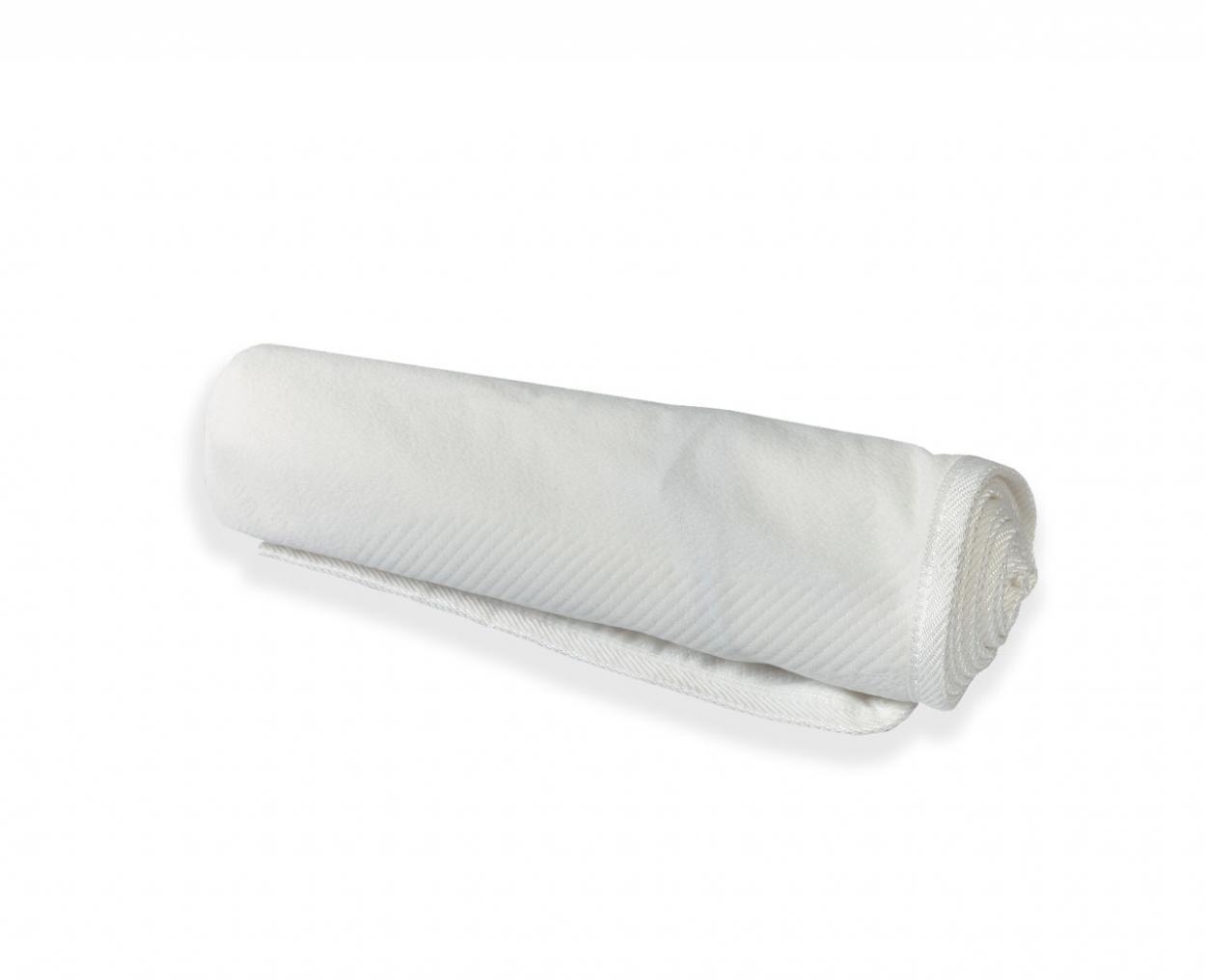
Product URL: https://www.candia.gr/en/protectors/protect
When Wear Cannot Be Corrected with Additional Accessories
Protective accessories are designed to help prevent damage. They do not repair permanent indentations, broken springs, loss of support, excessive moisture or a worn bed base.
If you would like to learn more about when signs of wear may indicate that it is time to replace your mattress, read our article “4+1 Signs That It’s Time to Replace Your Mattress.”
Reassess the mattress and bed base if you notice:
- Permanent unevenness.
- Sagging that remains when no weight is applied.
- Creaking or a feeling of instability.
- Broken or bent slats.
- Wear or damage to the fabric or seams.
In these cases, contact the manufacturer or the after-sales department and have the mattress model, proof of purchase and photographs of the issue available.
Mattress Care Checklist
- Check that the bed base is suitable and stable.
- Use an under-mattress protector if you have a bed base with storage space.
- Place a removable mattress protector on the top surface.
- Air out the mattress and bedroom regularly.
- Keep the mattress dry.
- Follow the manufacturer’s recommended rotation schedule.
- Flip the mattress only if it has been designed for use on both sides.
- Do not fold the mattress or clean it with steam.
- Inspect the bed base, slats and support points regularly.
A Longer Mattress Lifespan Starts with Proper Support
The right material underneath a mattress is not an improvised addition but part of a complete sleep system. A compatible bed base, adequate ventilation and a suitable under-mattress protector can help reduce unnecessary stress on the underside of the mattress.
For more comprehensive mattress care, combine the right bed base with protection for the top surface, regular ventilation and the manufacturer’s rotation instructions. This helps provide the right conditions for the mattress to maintain its cleanliness, support and functionality for longer.
Note: Care instructions may vary depending on the construction of the mattress. Always follow the instructions provided with your specific mattress model.