Candia Blog
What Mattress Should I Choose for My Child? A Guide to Children’s Mattresses
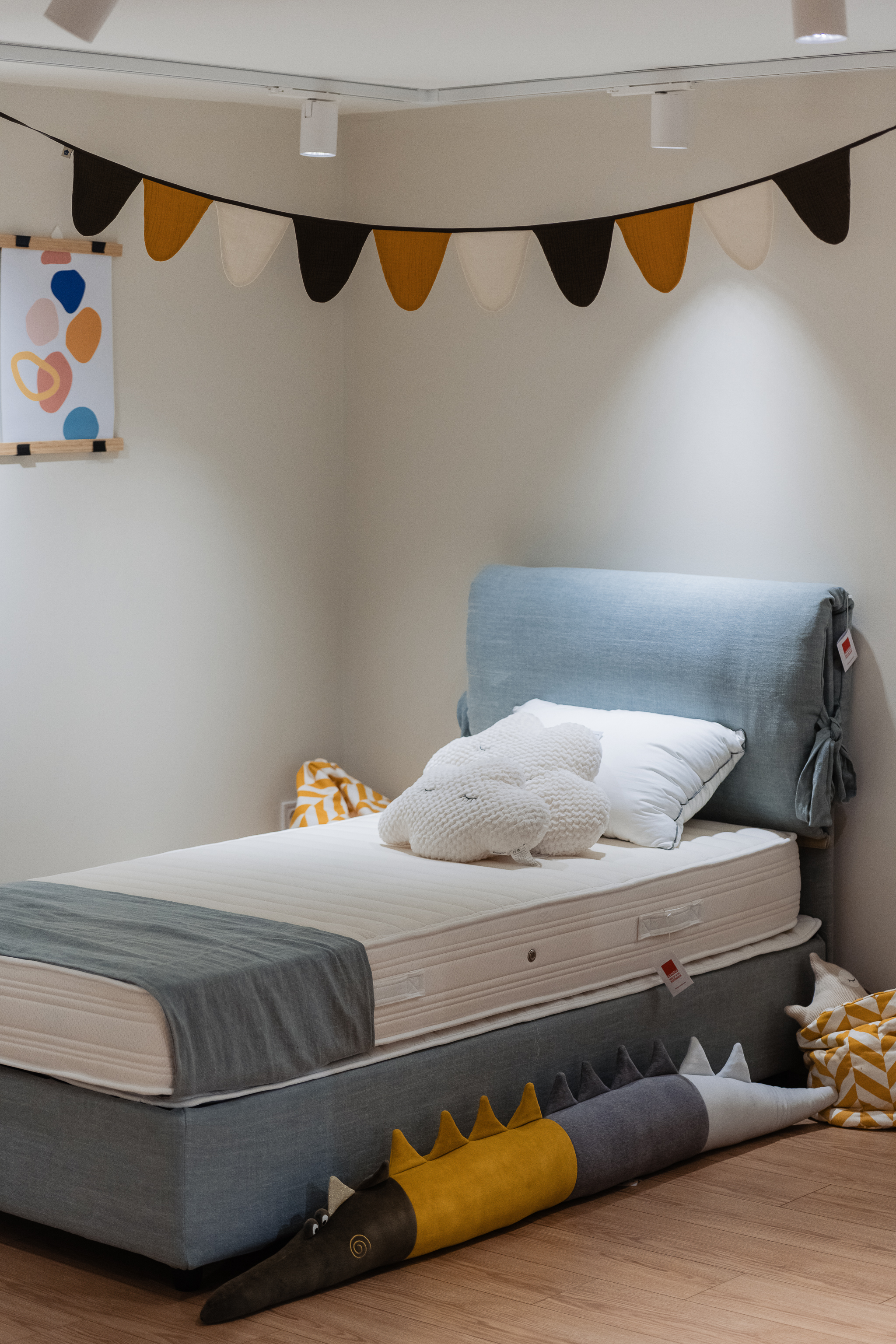
Choosing a children’s mattress requires a little more thought than simply measuring the bed. Children grow, change sleeping positions and often use their bed for reading or relaxing as well. The mattress therefore needs to provide stable support, comfort and a proper fit within the bed frame.
There is no single mattress that suits every age or every child. Body type, preferred feel, the height of the bed and whether it is a standard single bed, bunk bed or pull-out bed all need to be considered.
Why a Children’s Mattress Requires Careful Selection
A child spends many hours in bed while their body is continuously developing. The sleeping surface should provide support without creating excessive pressure points and should allow the child to change position easily throughout the night.
A very soft feel is not necessarily more comfortable, just as a very firm mattress is not automatically better. Look for a balance between a stable support core and a surface that adapts naturally to the body.
What Kind of Support Does a Child Need While Sleeping?
Proper support helps the body remain in a natural position, whether the child sleeps on their side or back. When testing a mattress, observe whether the shoulders and hips sink too deeply or whether the mattress creates excessive pressure at the main contact points.
For an older child or teenager, it is important to involve them in the testing process. Mattress feel is highly personal and can vary considerably from one body type to another.
Anatomical or Orthopaedic Children’s Mattress?
Anatomical mattresses with independent springs respond locally to pressure and adapt more easily to the contours of the body. Orthopaedic mattresses with interconnected springs provide a more uniform and usually firmer feel.
The choice should not be based on the name alone. Consider the comfort layers, overall height and how the child feels when lying in their usual sleeping position. If you are looking for a mattress for a younger child, you can also read our guide “Which Baby Mattress Should I Choose?”.
Choosing a Mattress According to Age
Mattress for a Preschool Child
At this age, priorities include a proper fit within the bed frame, a stable feel and practical care. Measure the frame accurately and choose a mattress protector that can be easily removed.
Mattress for a Primary School Child
As the child grows, check whether the mattress length and width still allow comfortable movement. A mattress that only just fits today may need to be replaced sooner than expected.
Mattress for a Teenager
A teenager’s needs are closer to those of an adult in terms of dimensions and body type. Allow them to try different mattress feels and choose a length that provides enough room for further growth.
Which Children’s Mattress Size Should You Choose?
Measure the internal dimensions of the bed frame, not the external outline of the bed. The mattress should fit correctly without large gaps and without being compressed or bending at the edges.
For a growing child, consider how soon they may need additional length. If the bed frame is custom-made, confirm the exact dimensions in centimetres before placing your order.
What to Consider for a Bunk Bed or Pull-Out Bed
For a bunk bed, mattress height is particularly important because it affects the usable height of the safety rail. For a pull-out bed, there must be enough clearance for the lower section to close without compressing the mattress.
Low Profile mattresses are designed for situations where available height is limited. However, do not choose based solely on the lower profile. You should also consider the support system and overall feel.
Materials, Breathability and Everyday Care
Breathable fabrics and materials that allow air circulation can help with temperature and moisture management. Follow the manufacturer’s instructions regarding ventilation, rotation and cleaning.
A properly fitted mattress protector helps keep the surface clean. Make sure it does not noticeably alter the feel of the mattress and that it fits the mattress’s actual height.
When Should a Children’s Mattress Be Replaced?
There is no single replacement age that applies to every mattress. Check for visible deformation, whether the child has grown too tall to fit comfortably, or whether they frequently wake up with discomfort that was not present before.
Changing the bed, moving from a bunk bed to a standard bed frame or a significant change in body type are also good reasons to reassess the mattress.
Checklist Before Buying
- Measure the clear internal width and length of the bed.
- Check the maximum permitted mattress height for a bunk bed or pull-out bed.
- Test the support in the child’s usual sleeping position.
- Observe whether the child can change position easily without sinking excessively.
- Confirm compatibility with the bed base.
- Choose a mattress protector and sheets that match the mattress dimensions and height.
Candia Children’s Mattresses for Different Needs
The following options come from the Kids Collection and feature a low profile designed for children’s and teenagers’ bedrooms. They differ in terms of support type, material layers and height, allowing you to compare solutions that genuinely suit both the bed and the child.
Acanthus Low Profile
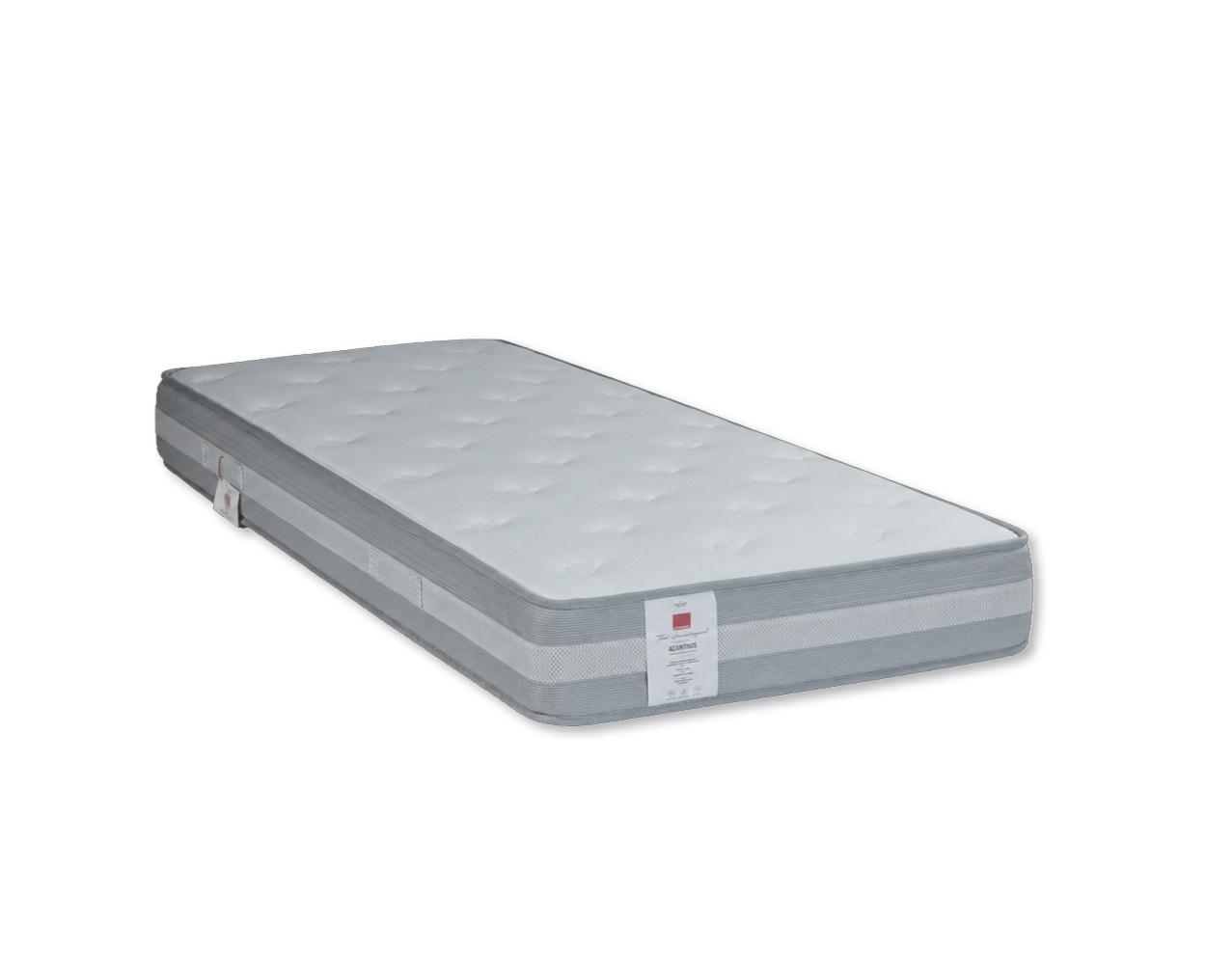
The ACANTHUS LOW PROFILE is an anatomical mattress featuring Prime Pocket Springs, eight layers of materials and a height of 20 cm. It is a suitable option when you are looking for the independent response of pocket springs in a children’s bed with limited available height.
Product URL: https://www.candia.gr/en/mattresses/kids-mattress-collection/acanthus-low-profile
Malia Low Profile
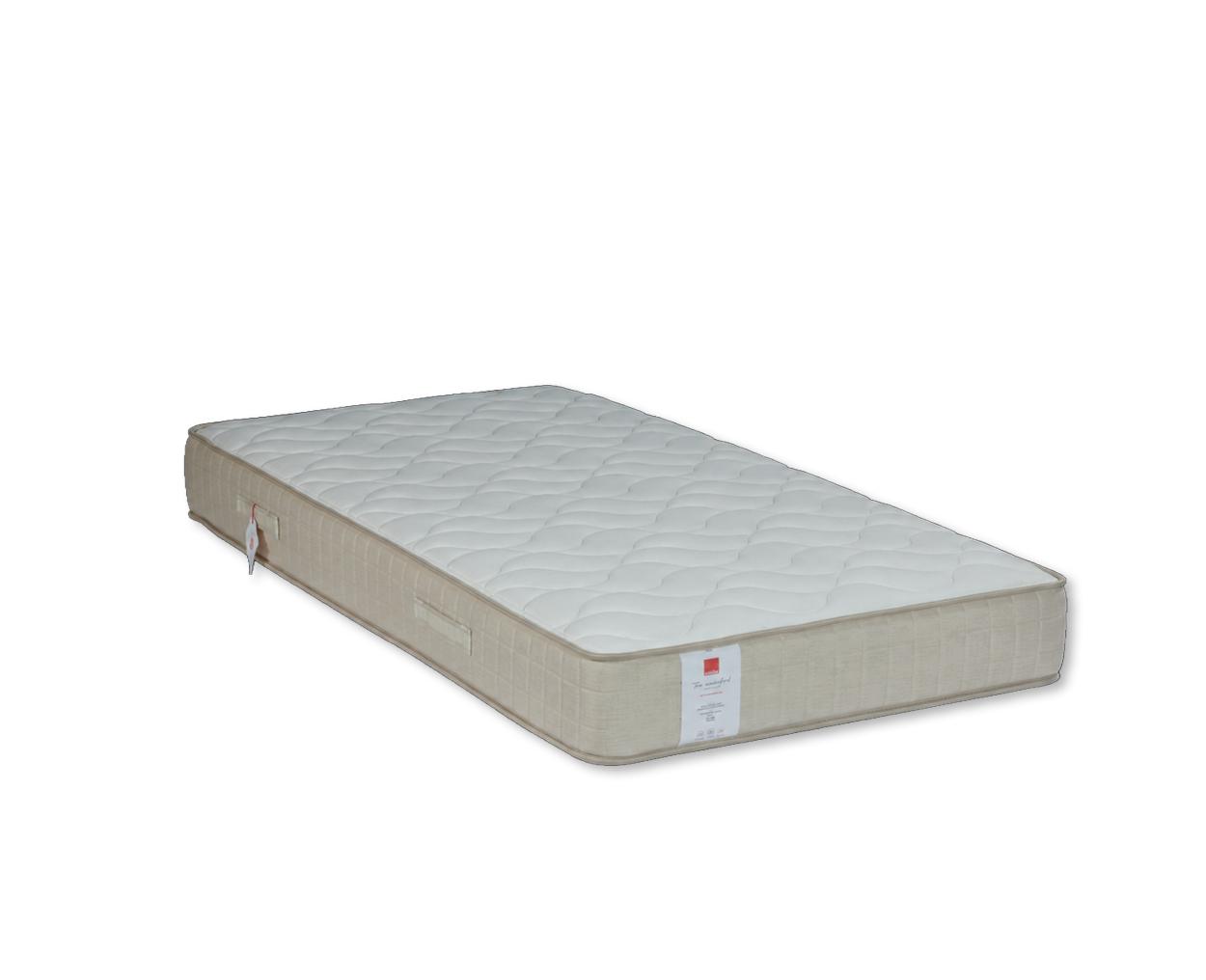
The MALIA LOW PROFILE is an anatomical mattress featuring Pocket Springs, six layers of materials and a height of 20 cm. It offers a simpler anatomical option for a bunk bed, pull-out bed or low children’s bed.
Product URL: https://www.candia.gr/en/mattresses/kids-mattress-collection/malia-low-profile
Apollonia Low Profile
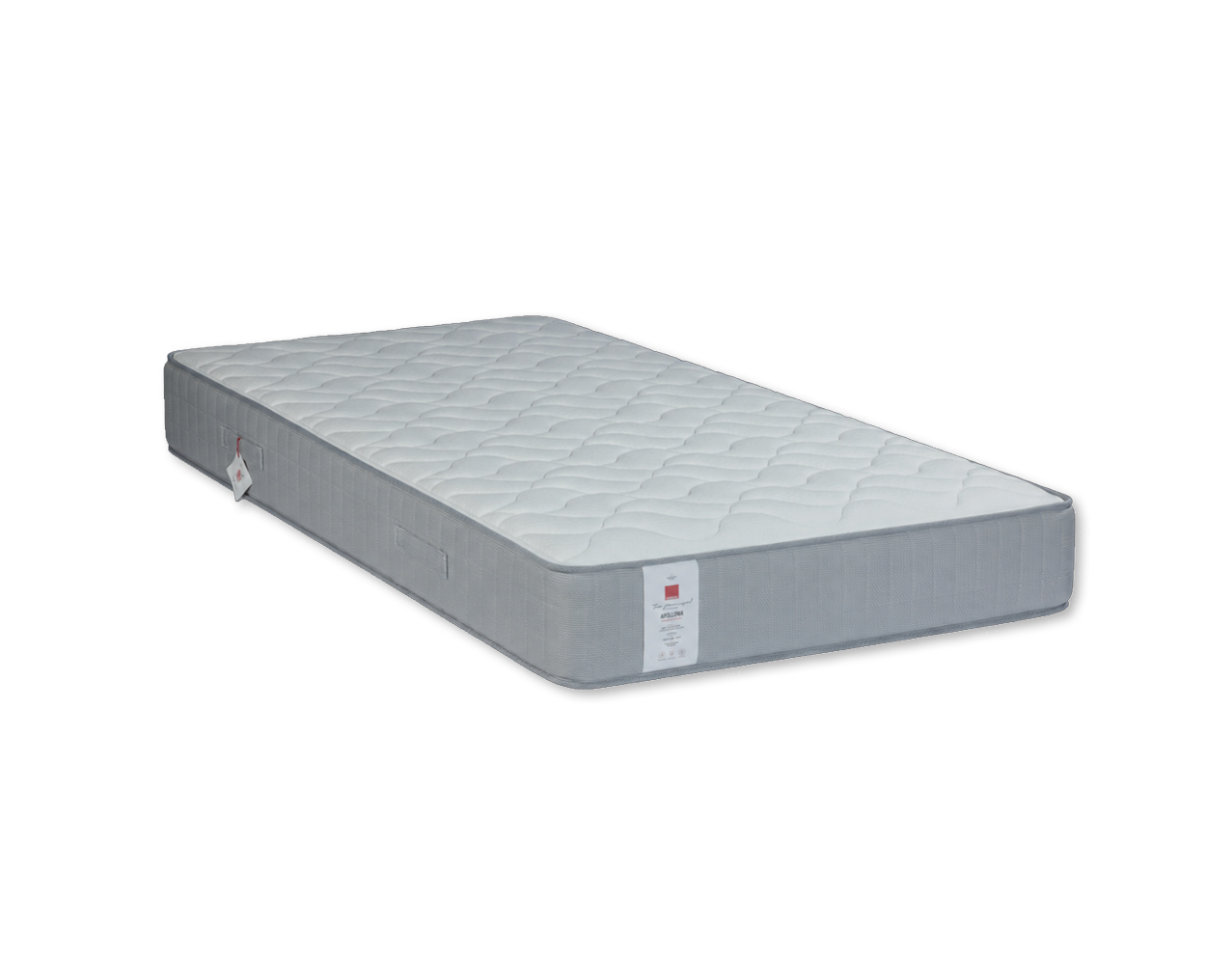
The APOLLONIA LOW PROFILE is an orthopaedic mattress featuring Dura-Ace Bonnell Springs, eight layers of materials and a height of 23 cm. It can be considered when the child prefers a more uniform and firmer feel of support.
Product URL: https://www.candia.gr/en/mattresses/kids-mattress-collection/apollonia-low-profile
Monemvasia Low Profile
The MONEMVASIA LOW PROFILE is an orthopaedic mattress featuring Bonnell Springs, six layers of materials and a height of 17 cm. Its lower profile is particularly useful when the height restriction of a bunk bed or pull-out bed is strict.
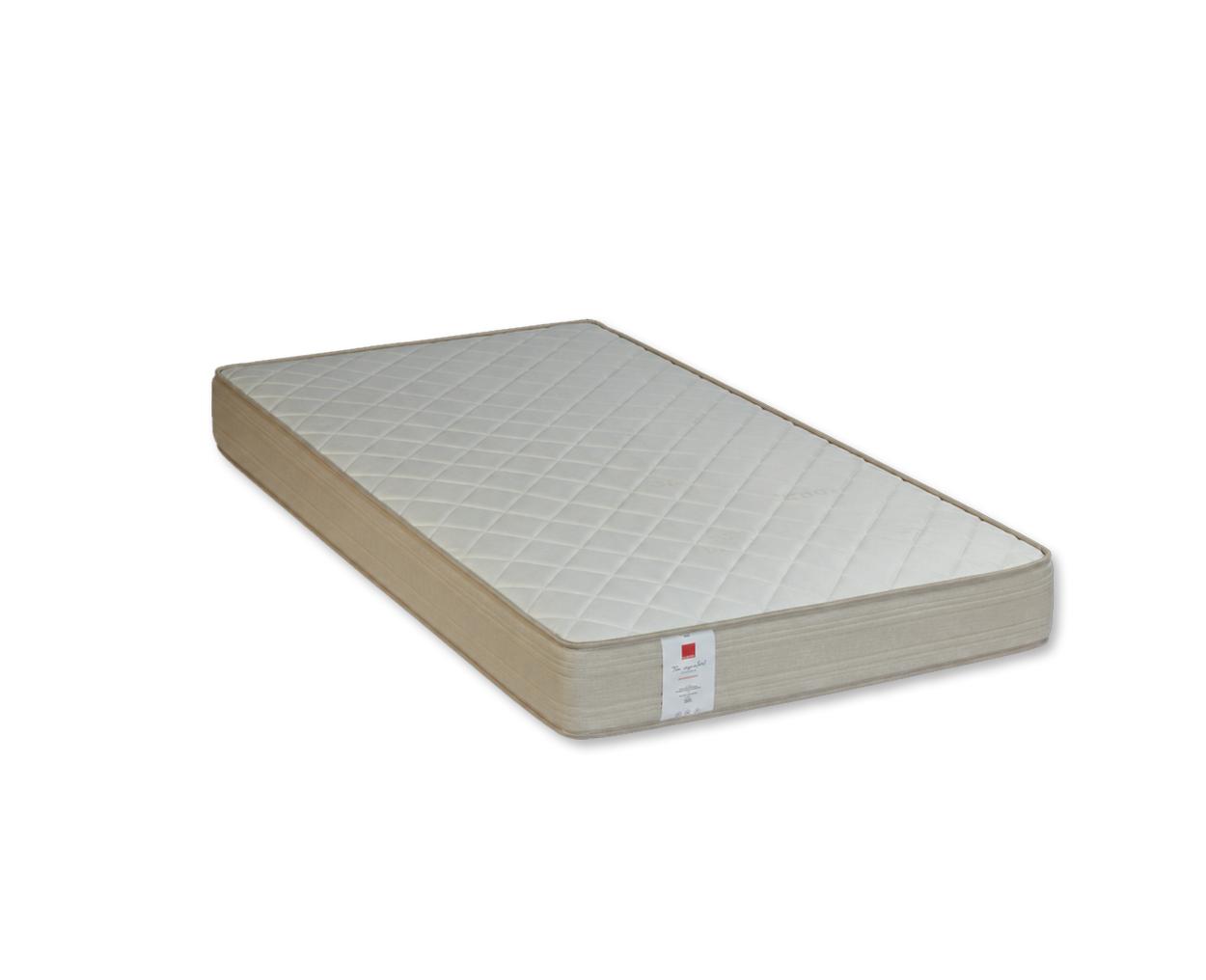
Product URL: https://www.candia.gr/en/mattresses/kids-mattress-collection/monemvasia-low-profile
Pella Low Profile
The PELLA LOW PROFILE is an anatomical mattress featuring six layers of materials, a Cotton Top Pad and a height of 24 cm. It offers a different anatomical feel, and you should confirm that its height is compatible with the specific children’s bed.
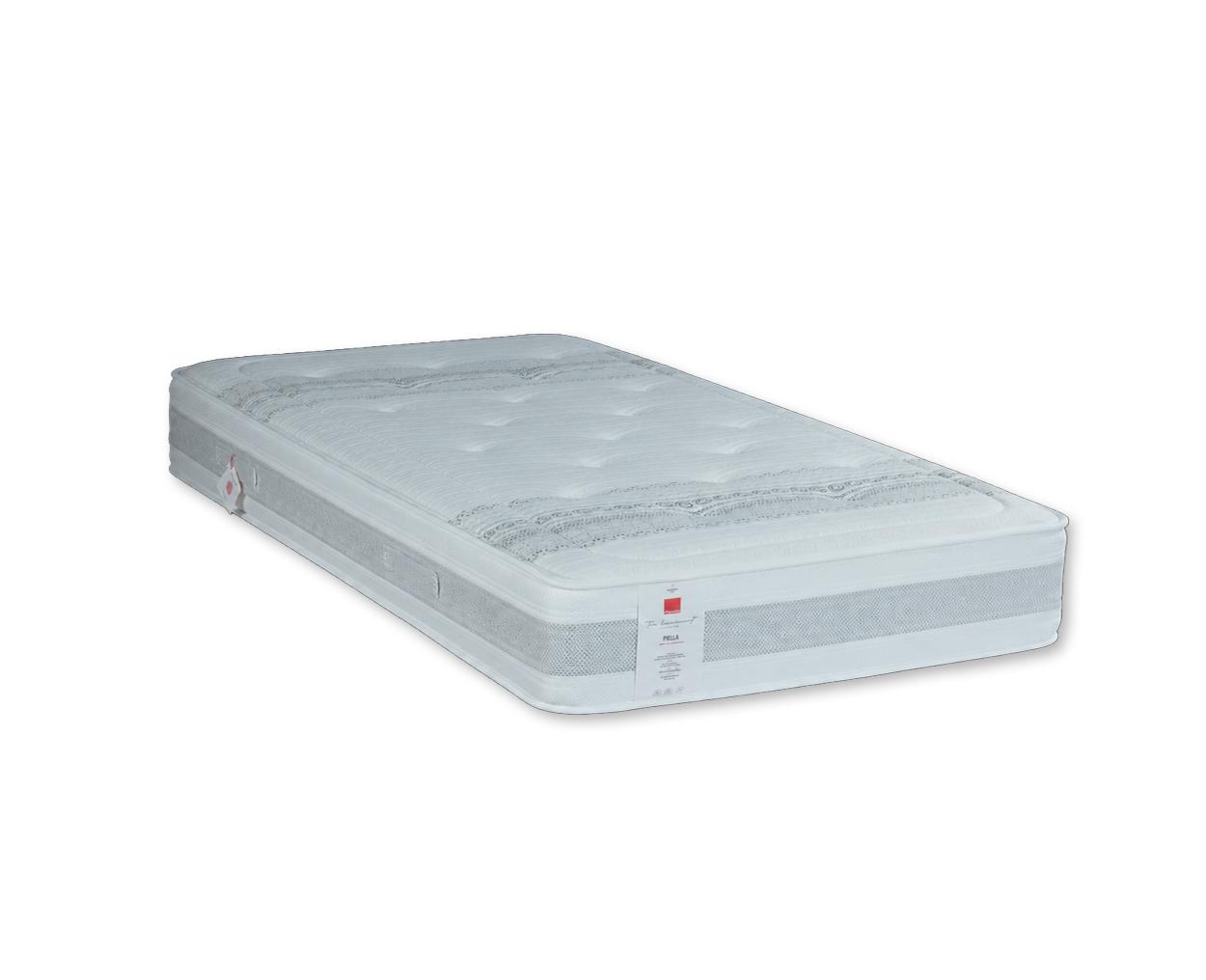
Product URL: https://www.candia.gr/en/mattresses/kids-mattress-collection/pella-low-profile
The Final Choice for Comfortable Children’s Sleep
Start with the bed and the correct dimensions, then consider the type of support and allow the child to take part in testing the mattress when their age allows it. The best choice is one that fits properly, provides stable and comfortable support and meets the needs of the child’s specific age.
In CANDIA’s Kids Collection, you can compare anatomical and orthopaedic Low Profile mattresses for different types of beds before choosing the solution that best suits both your child and the available space.