
Candia Blog
When Should I Replace My Pillow? Signs You Should Not Ignore
A pillow is used every night, yet its wear and tear often goes unnoticed. You gradually become accustomed to its reduced height, shifted filling or a surface that no longer regains its shape as it once did. Then, one day, you may find yourself wondering: When should I replace my pillow?
There is no single replacement date that applies to every material or every person. Daily use, perspiration, cleaning methods and the quality of construction can all affect a pillow’s lifespan. The signs you can see and the way the pillow feels when you lie down are often more useful than a fixed number of years.
When Should I Replace My Pillow?
As a general practical guideline, many recommendations suggest checking or replacing a pillow approximately every two years for hygiene reasons. This does not mean that all pillows wear out at the same rate. A solid latex or memory foam core ages differently from a loose filling made of fibres, cotton, feathers or down.
Inspect your pillow regularly and always follow the manufacturer’s care instructions. If it has lost its functionality, no longer provides the right fit or can no longer be cleaned effectively, it may need to be replaced sooner.
7 Signs It’s Time for a New Pillow
It No Longer Returns to Its Original Shape
Press the pillow and observe how quickly it regains its shape. If it remains flat, folded or compressed for a long period, the core or filling may have lost its resilience. This test does not apply in the same way to every material, but it can be a useful indication when you know how your pillow performed when it was new.
It Has Lost Its Height or Loft
A pillow that has become flattened may leave a larger gap between your head and shoulder, particularly when you sleep on your side. If you need to fold it, bunch it up or place your hand underneath it to achieve the height you need, it may no longer meet your requirements.
The Filling Has Formed Lumps or Gaps
Uneven areas and empty spaces may indicate that the filling has shifted or become compressed. If fluffing the pillow and following the care instructions on the label do not restore an even shape, the pillow may no longer provide a consistent surface across its full area.
It No Longer Provides the Same Level of Comfort
If you constantly change position, wake up to adjust your pillow or feel that your head is sitting too high or too low, it may be time to reassess your choice. Discomfort does not necessarily mean that the pillow is the only cause, but it is a reason to check its condition, height, your sleeping position and your mattress.
It Has a Persistent Odour, Moisture or Stains
Moisture and stains should be addressed promptly according to the product’s care instructions. If an odour remains after permitted cleaning, if the inside does not dry completely or if mould appears, stop using the pillow. Mould is not simply a cosmetic issue.
The Cover or Seams Are Worn
Torn fabric, open seams, a damaged zipper or filling coming out from the inside should be assessed. Do not try to permanently conceal serious wear with a pillowcase alone.
Your Needs Have Changed
Your pillow may still be in good condition but may no longer suit you. A change in sleeping position, a new mattress, a different body weight or a new personal preference may affect the height and feel that work best for you.
A Simple Test You Can Do at Home
Check your pillow in four steps:
- Remove the pillowcase and inspect the fabric, seams, stains and any signs of deformation.
- Press or fold it only if the material allows this type of handling, and check whether it regains its shape.
- Lie down in your usual sleeping position and check whether your head tilts noticeably upwards or downwards.
- Compare the feel with the original height and support you remember, without adding a second pillow to conceal the wear.
How Long Does a Pillow Last Depending on Its Material
Memory Foam
Memory foam may gradually lose its ability to recover or develop a permanent indentation. Do not wash the foam core unless the care label specifically allows it. The core is usually cleaned differently from the removable cover.
Latex
Latex is known for its resilient response. Signs that it may need to be replaced include permanent deformation, crumbling, cracks or a noticeable loss of resilience. Avoid cleaning methods that are not approved for the specific product.
Down and Feather
Loose filling requires regular fluffing. If it gathers into hard clumps, leaves permanent gaps or does not regain its shape after proper care, it may have reached the end of its useful life. Check carefully whether washing is permitted and at what temperature.
Cotton and Natural Fibres
Fibres can become compressed and shift during use. Uneven filling, a noticeable loss of loft and moisture that does not dry completely are key signs that the pillow should be inspected.
Cleaning or Replacement?
Cleaning can help when a pillow is structurally intact and the care label allows safe cleaning. However, it cannot restore a core that has become permanently deformed or filling that has permanently lost its loft.
Choose replacement when there is permanent deformation, irreversible unevenness, mould, significant fabric wear or an inability to dry the pillow completely. If you experience allergies or respiratory symptoms, follow the relevant guidance regarding protective covers and cleaning, and seek medical advice when necessary.
How to Extend Your Pillow’s Lifespan
- Use a clean pillowcase and, where compatible, a protective pillow cover.
- Air out the pillow and allow it to dry completely after exposure to moisture or after cleaning.
- Shake or fluff only pillows whose filling is designed to allow this.
- Follow the care label regarding washing, temperature and drying.
- Do not sleep on a damp pillow or use fragranced products to mask a persistent odour.
How to Choose Your Next Pillow
Start with your sleeping position rather than the material alone. If you sleep on your side, you will generally need a higher pillow to fill the space between your head and shoulder. If you sleep on your back, look for balanced support without pushing your head too far forward. If you sleep on your stomach, a lower and gentler surface may be more suitable.
If you would like to learn more about the relationship between sleeping position, pillow height and material, read our article What Are the Best Pillows Sleeping?
Candia’s sleeping pillow collection includes Technogel, Natural and Classic options, allowing you to compare different heights, materials and comfort levels.
Pillows for Different Needs
The pillows below differ in terms of materials, height and feel, making them suitable for different sleeping positions. The right choice depends on your body shape, mattress and the way you usually sleep.
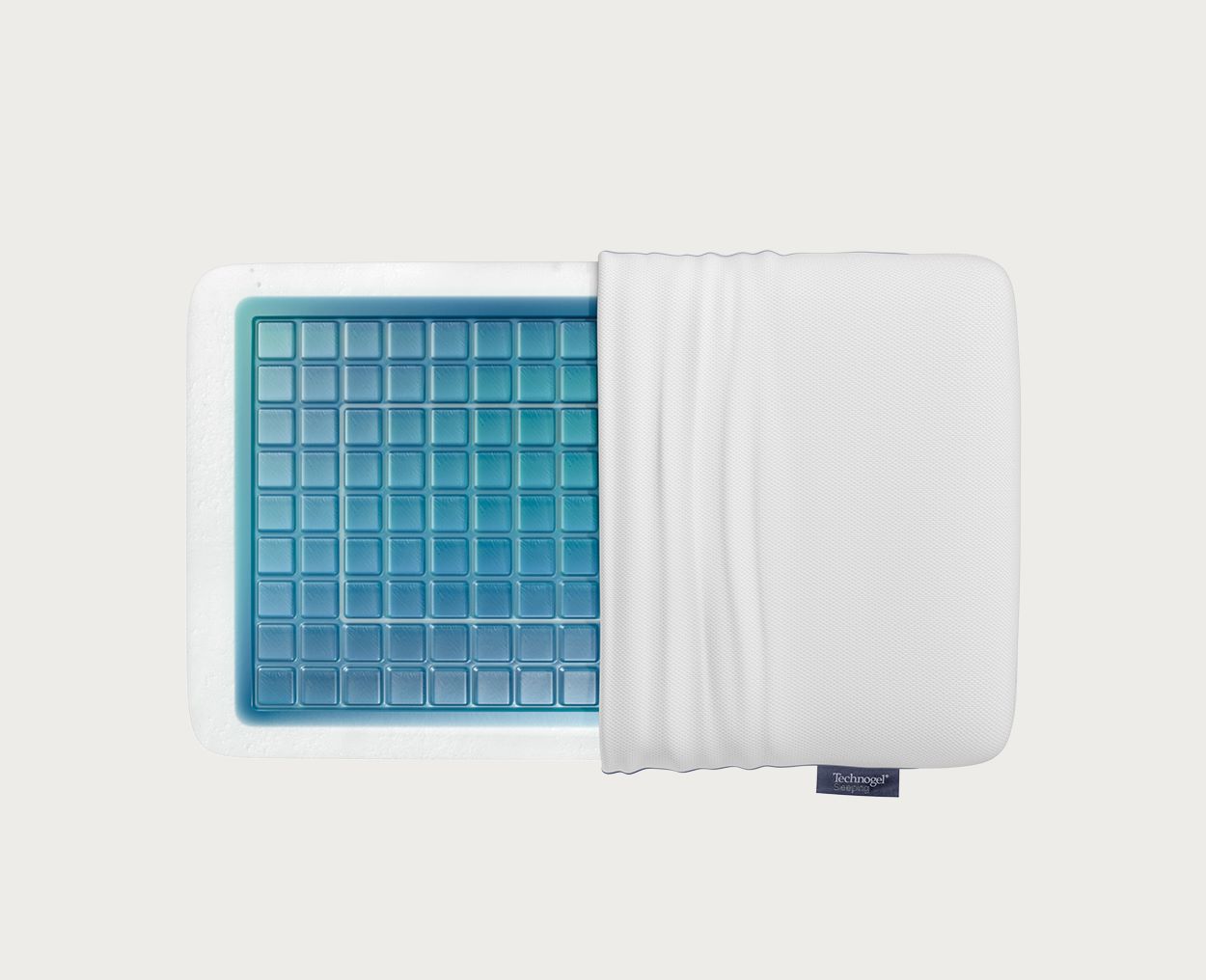
TECHNOGEL PIXEL 14
An option for side sleepers looking for a pillow that combines gel and memory foam. Its height should be tested in relation to your shoulder and mattress.
Product URL: https://www.candia.gr/en/pillows/technogel-collection-pillow/pillow-technogel-pixel-14
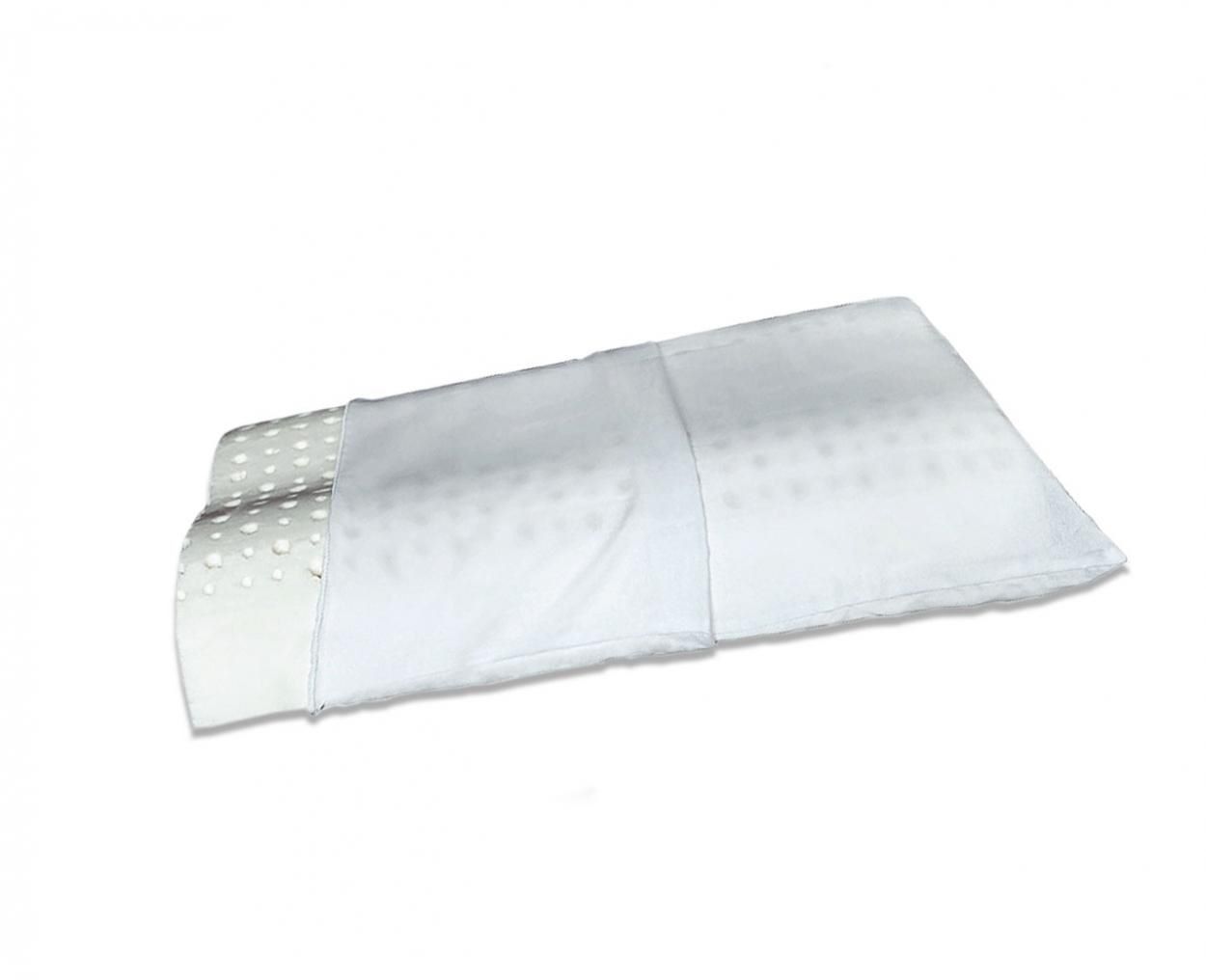
LATEX ANATOMIC
Made from latex and featuring an anatomical shape, this pillow may be a suitable option if you prefer a more responsive feel compared with memory foam.
Product URL: https://www.candia.gr/en/pillows/classic-collection-pillow/pillow-latex-anatomic
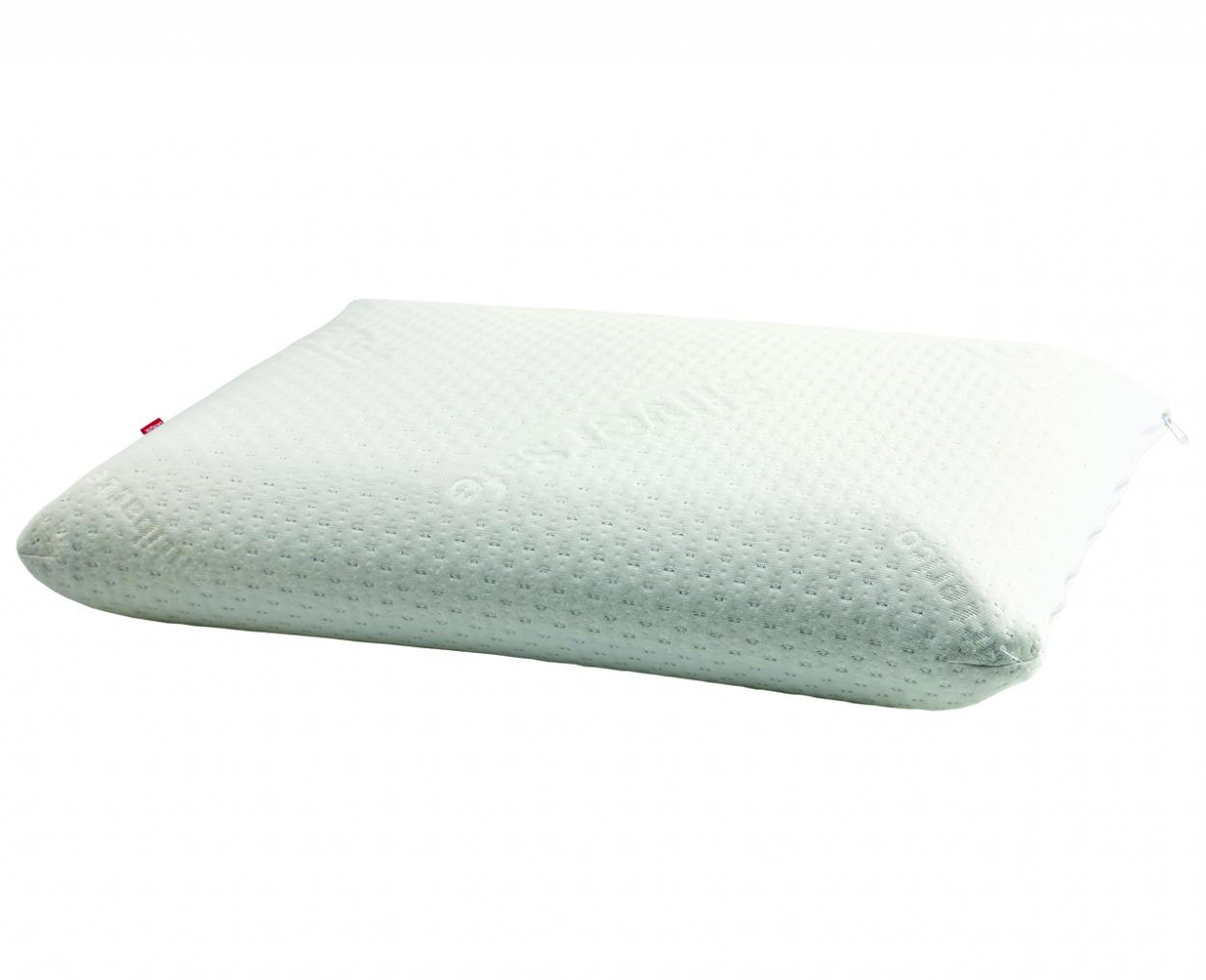
COMFORT MEDIC
A memory foam option with cotton fabric. It may be used by side, back or stomach sleepers. Final suitability depends on its height and your personal comfort preferences.
Product URL: https://www.candia.gr/en/pillows/classic-collection/comfort-medic
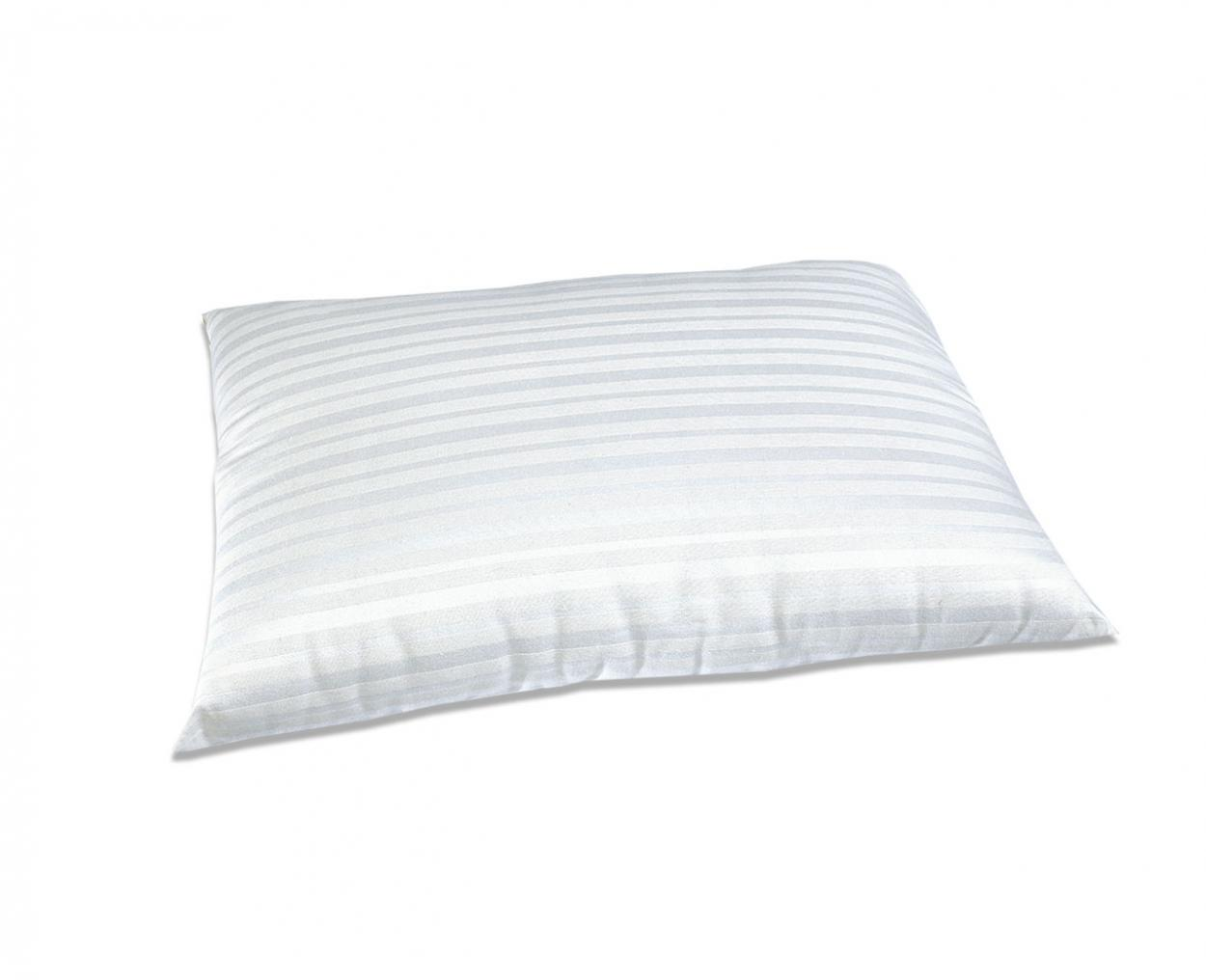
JOY
The JOY pillow contains cotton filling and plant-based PLA fibres. Candia recommends it for side and back sleepers, and it may suit those who prefer the feel of loose filling rather than a solid foam core.
Product URL: https://www.candia.gr/en/pillows/natural-collection-pillow/pillow-joy
TAORMINA
The TAORMINA pillow features a cotton and linen filling and is recommended for back or stomach sleeping. It is an option for those looking for a different feel from latex or memory foam.
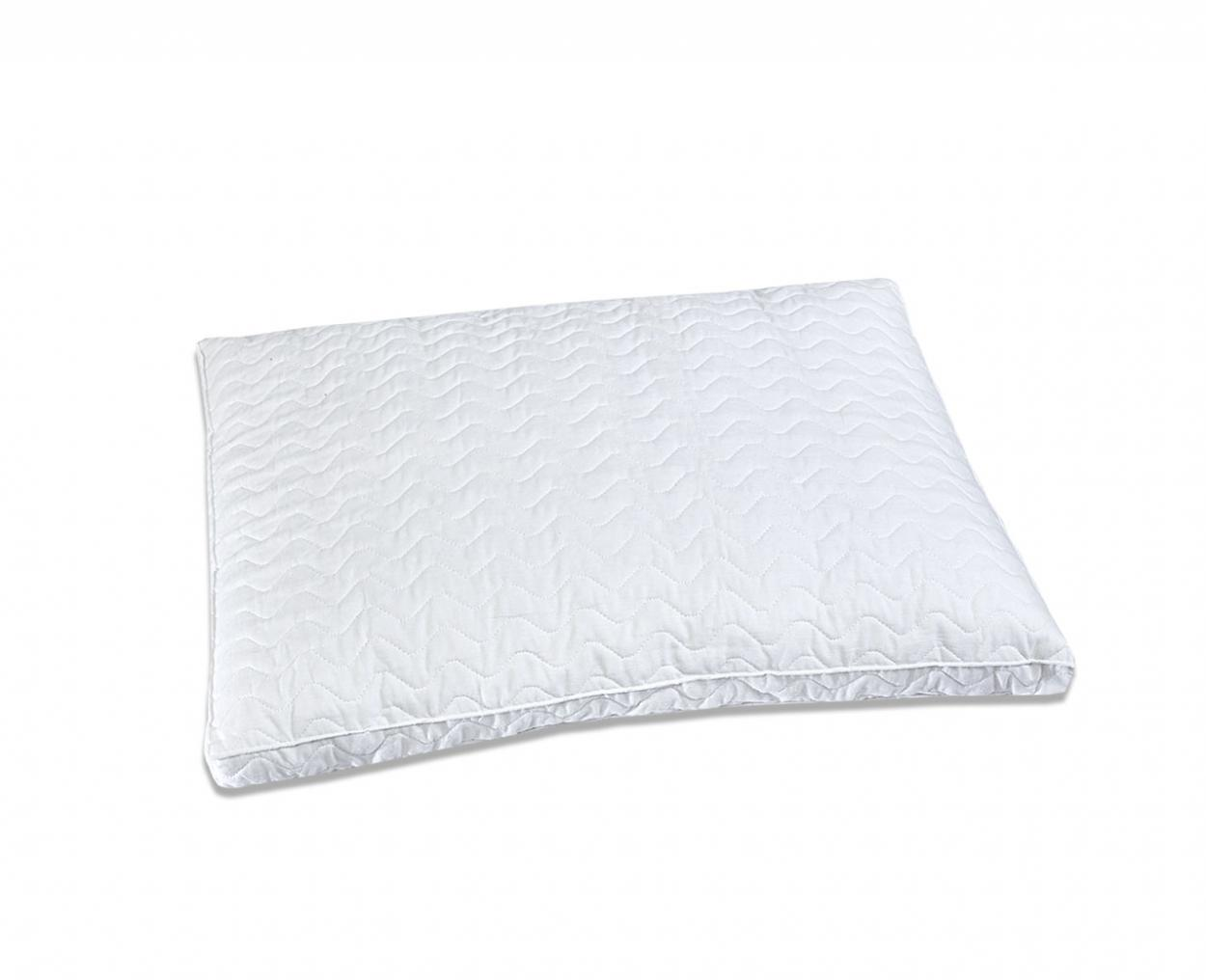
Product URL: https://www.candia.gr/en/pillows/natural-collection-pillow/pillow-taormina
When Should I Replace My Pillow? Do Not Ignore Persistent Symptoms
An unsuitable or worn pillow may affect your comfort, but it is not appropriate to automatically attribute every instance of pain, headache, numbness, allergy or respiratory discomfort to the pillow. If symptoms are severe, persistent or worsening, consult an appropriate healthcare professional.
A New Pillow Should Suit Your Current Needs
Replacing a pillow is not only about its age. It is also about its current condition and whether it continues to suit your sleeping position, mattress and preferences. Check for signs of wear without concern, follow the appropriate care instructions and, when the time comes, choose your new pillow based on real-life testing.
You can explore Candia’s pillow collections and compare materials and intended uses before making your decision.
Note: This article is provided for informational purposes only and does not replace medical diagnosis or professional medical advice. For cleaning, washing and drying, follow only the label and instructions provided for the specific product.
Sources