Candia Blog
Anatomical or Orthopaedic Mattress? Differences and Which One to Choose
Anatomical or orthopaedic mattress? This is one of the most common questions when it is time to replace your mattress. The two terms are often used as though they simply describe a soft and a firm model, but the main difference lies in how the support system works.
At CANDIA, anatomical mattresses are mainly based on independent springs that respond locally to pressure, while orthopaedic mattresses use interconnected springs and provide a more uniform, stable feel. Neither type is right for everyone. The best choice depends on your body type, sleeping position, preferred feel and whether you share your bed with someone else.
What Is an Anatomical Mattress?
An anatomical mattress is designed to follow the contours of the body more closely. Independent springs, also known as pocket springs, work individually: they compress more where greater pressure is applied and less in other areas.
This does not necessarily mean that the mattress is soft. An anatomical model can have a firmer or more cushioned surface depending on the spring density and comfort layers. Its main characteristic is its more localised response to the body.
What Is an Orthopaedic Mattress?
In orthopaedic mattresses, the springs are interconnected and respond as a single system. Pressure applied to one point is distributed across a larger area of the surface, usually creating a firmer and more stable feel.
The term “orthopaedic” does not mean that the mattress is a treatment for pain or a medical condition. It describes the type of construction and support. If you have a specific musculoskeletal condition, your choice should also take into account the personalised guidance of a healthcare professional who is familiar with your medical history.
Anatomical or Orthopaedic Mattress: The Main Differences
How the Springs Work
In an anatomical mattress, each spring responds independently. In an orthopaedic mattress, the springs work together as a single system. This difference affects how the mattress adapts to the body, motion transfer and its overall feel.
Adaptation to the Contours of the Body
Independent springs can respond more precisely to pressure around the shoulders, waist and hips. Interconnected springs provide more uniform resistance across the entire surface.
Motion Transfer
When you share a bed, a pocket spring system usually helps reduce motion transfer from one side to the other. With an interconnected spring system, movement may be more noticeable.
Feel and Firmness
An anatomical mattress is not necessarily soft, and an orthopaedic mattress is not always very firm. Foam layers, mattress height and spring density all significantly affect the final feel. This is why it is important to try the complete mattress rather than making a decision based solely on its category.
Anatomical or Orthopaedic Mattress – Which Mattress Suits Your Sleeping Position?
If You Sleep on Your Side
When sleeping on your side, the shoulders and hips need enough adaptability to avoid excessive pressure. An anatomical mattress can help the body find a more balanced position, but the surface should not allow excessive sinking.
If You Sleep on Your Back
When sleeping on your back, you need support around the pelvis and lower back without creating gaps or excessive pressure. Either an anatomical or an orthopaedic mattress may be suitable, depending on your body type and preferred feel.
If You Sleep on Your Stomach
When sleeping on your stomach, a very soft surface may allow the centre of the body to sink too deeply. Try models with a stable response and check whether your pelvis remains in a comfortable position in relation to your torso.
For more details, read our guide “How to Choose the Right Mattress According to Your Sleeping Position”.
What to Choose If You Share Your Bed
If you sleep with another person, try the mattress together. Check whether one person’s movements are strongly felt by the other, whether there is a tendency to roll towards the centre and whether the overall feel suits different body types. Independent springs are often a useful starting point when better motion isolation is a priority.
Do not forget to consider the correct mattress size. Even the right support system will not feel comfortable if the sleeping surface is too limited for two people.
Why Firmness Alone Is Not Enough to Make Your Decision
Firmness is subjective. The same mattress may feel softer to a heavier person and firmer to someone with a lighter body type. In addition, the feel of the surface and the support provided by the mattress core are two different things.
A firm mattress can have adaptive upper comfort layers, while a model that feels hard at first may not necessarily provide the right support for your body. Lie on the mattress for several minutes in your usual sleeping position before making your decision.
What to Check When Testing a Mattress
- Whether your spine remains in a natural position without excessive sinking.
- Whether your shoulders and hips experience uncomfortable pressure.
- Whether you can change position easily.
- Whether the edge remains stable when you sit down or get up.
- Whether the other person’s movements disturb you.
- Whether the mattress is compatible with the bed base you plan to use.
You can also use Candia’s ideal mattress selection system to help narrow down your options before testing them.
Candia Mattresses for Comparing Different Types of Support
The following models have been specifically selected to demonstrate different constructions: two anatomical mattresses with independent springs, two orthopaedic mattresses with interconnected springs and one spring-free option. The comparison becomes truly meaningful when you try the different feels and see how your body responds.
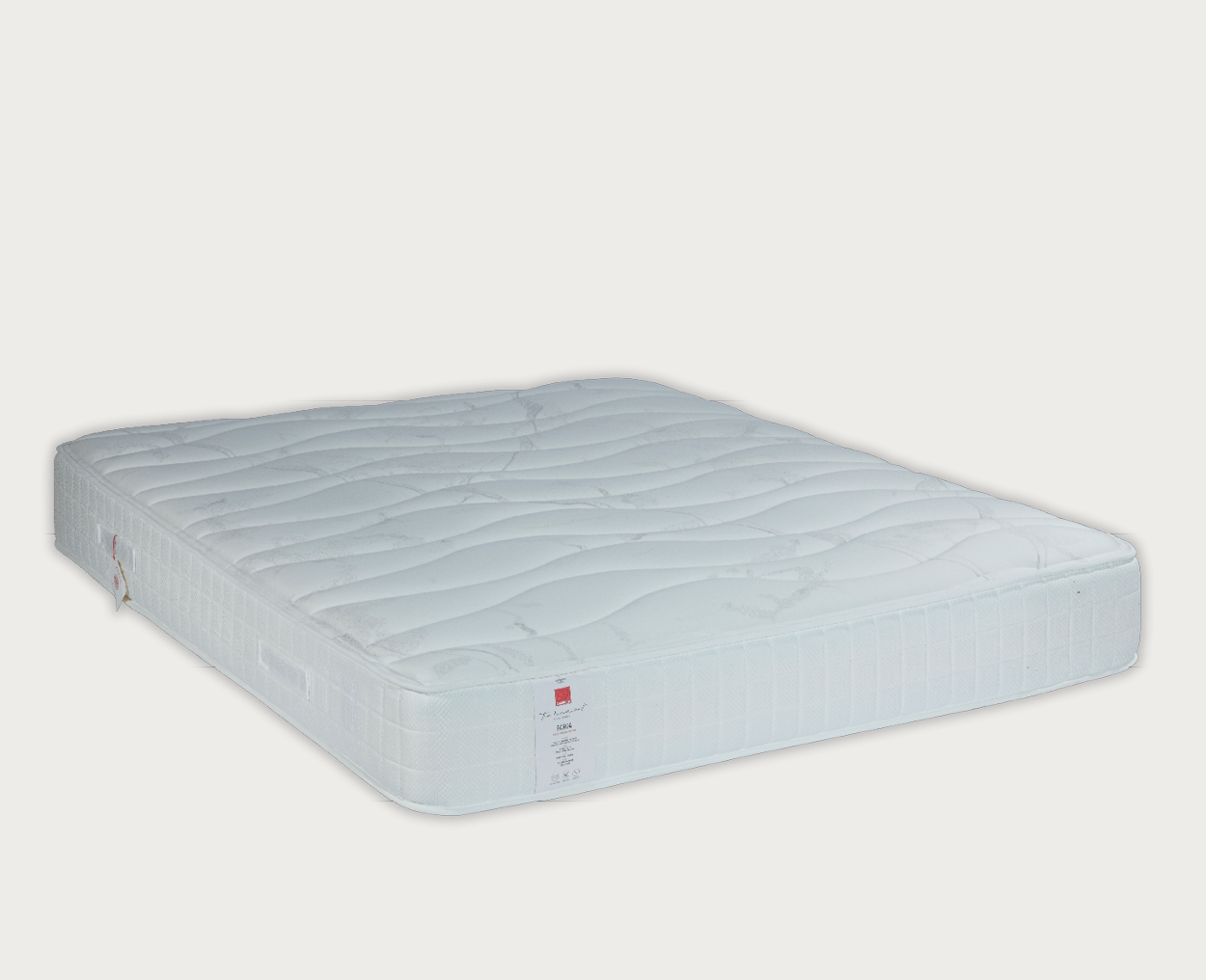
PARGA
The PARGA is an anatomical mattress featuring Prime Pocket Springs, perimeter foam and six layers of materials. It is a suitable option for evaluating how an independent spring system adapts locally to pressure from the body.
Product URL: https://www.candia.gr/en/mattresses/luxuriant/parga
Kamares
Το KAMARES ανήκει στην ανατομική συλλογή Inventor και συνδυάζει Prime Pocket Springs με Cocoflex και φυσικά υλικά. Μπορείς να το συγκρίνεις με το PARGA για να δεις πώς διαφορετικές στρώσεις άνεσης αλλάζουν την αίσθηση, ακόμη και όταν ο βασικός τύπος ελατηρίων είναι παρόμοιος.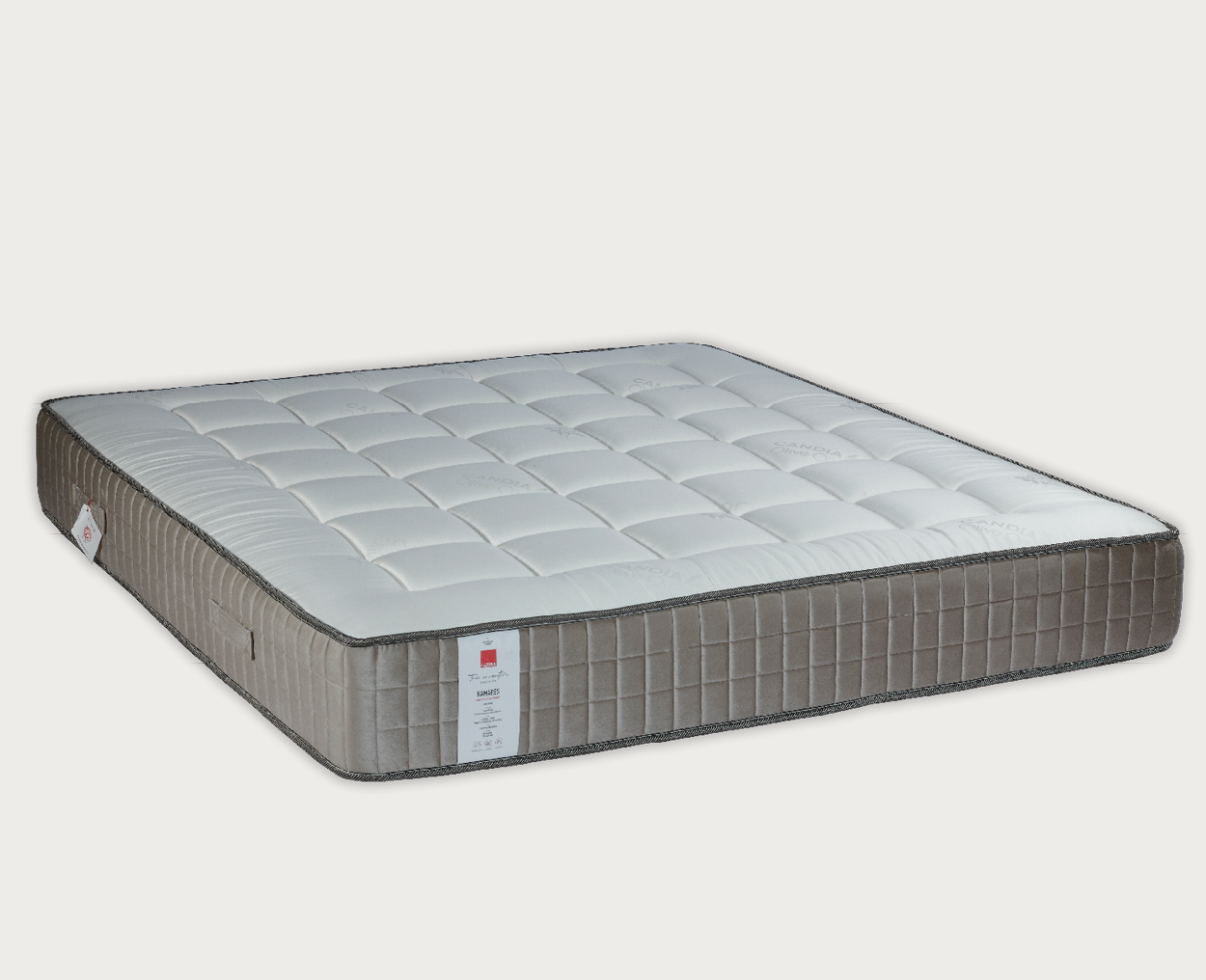
Product URL: https://www.candia.gr/en/mattresses/inventor/kamares
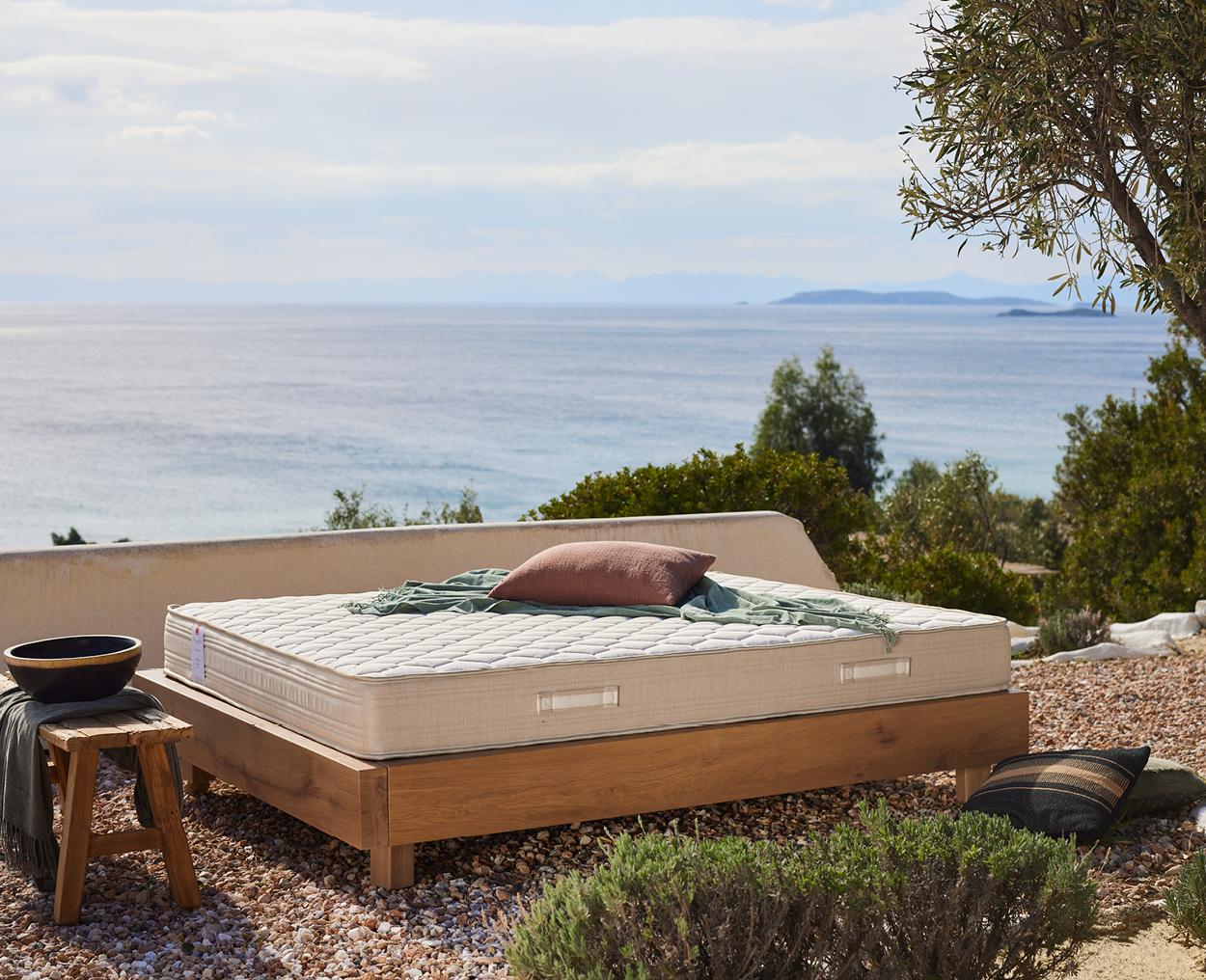
Methone
The METHONE is an orthopaedic mattress featuring Bonnell Springs, perimeter foam and eight layers of materials. It provides a clear point of comparison with anatomical models, as its surface responds more uniformly to pressure.
Product URL: https://www.candia.gr/en/mattresses/inventor/kamares
Monemvasia
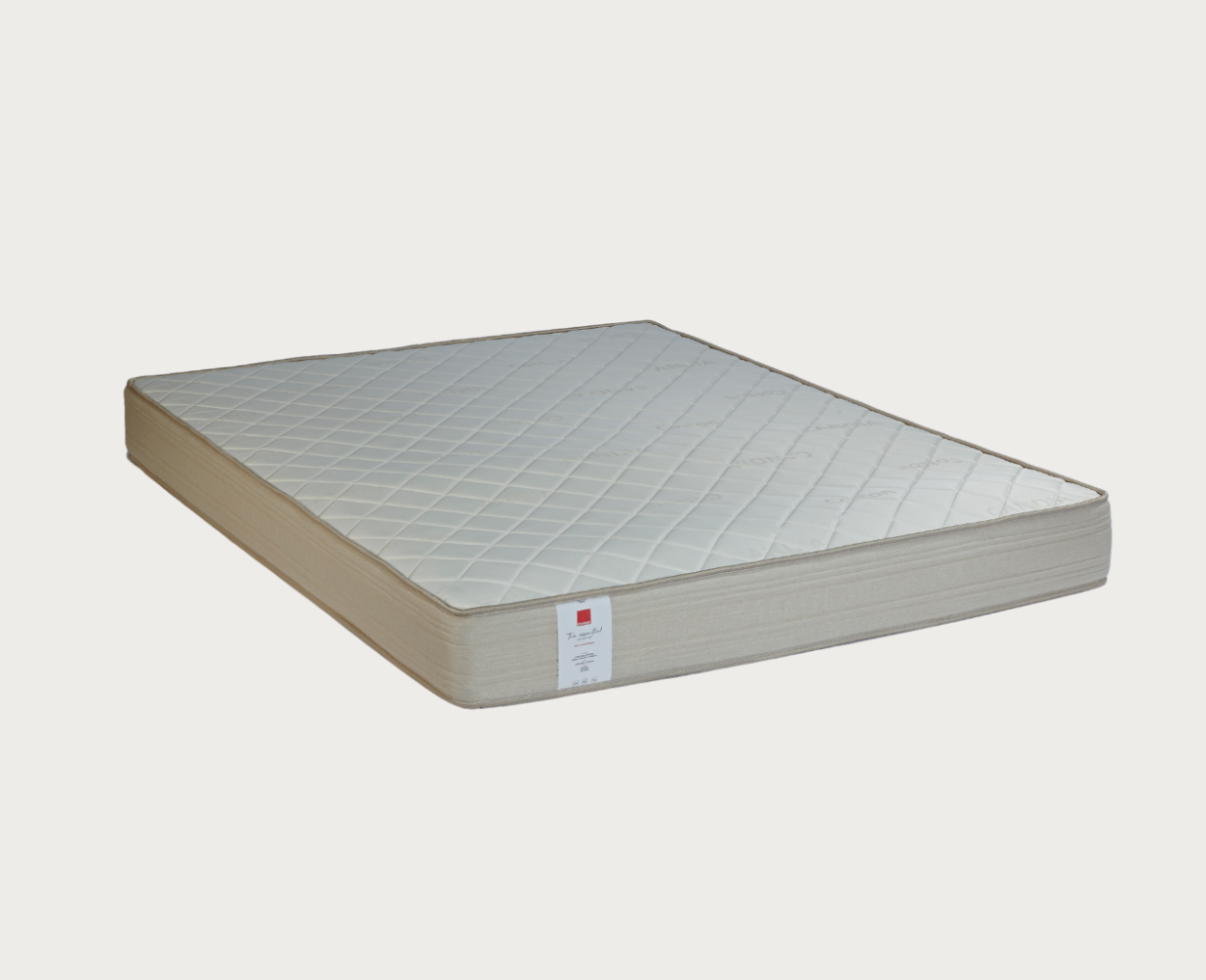
The MONEMVASIA is also an orthopaedic mattress, featuring Bonnell Springs and six layers of materials. Comparing it with the METHONE demonstrates why two mattresses within the same category can have a different feel due to their comfort layers and overall height.
Product URL: https://www.candia.gr/en/mattresses/essential/monemvasia
Estasi
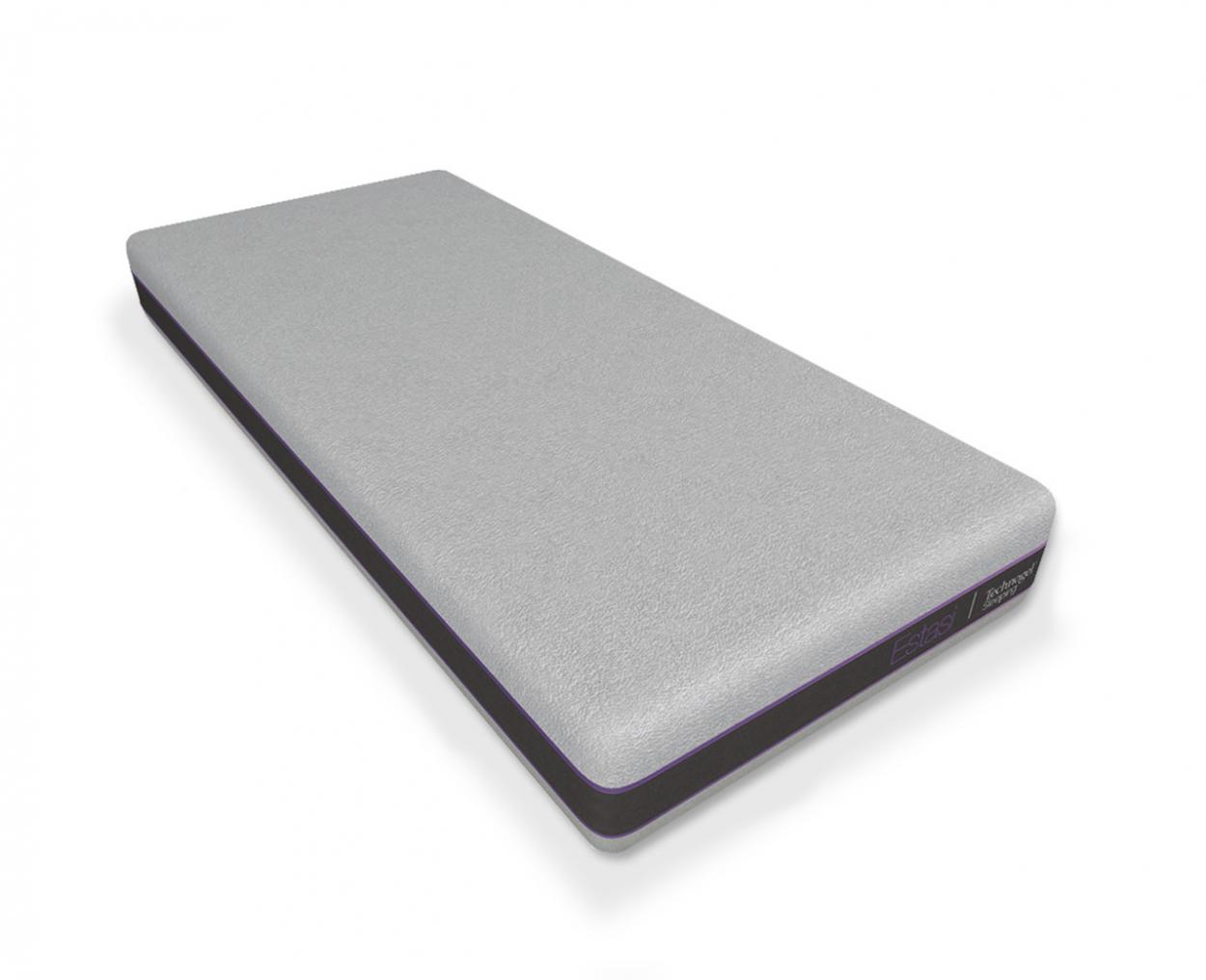
The ESTASI does not use springs, but instead features foam and Technogel with a three-zone design. It is included as a different option to demonstrate that choosing a mattress is not limited exclusively to the choice between anatomical and orthopaedic spring systems.
Product URL: https://www.candia.gr/en/mattresses/technogel-collection/estasi
Anatomical or Orthopaedic Mattress – How to Make Your Final Choice
The right decision cannot be based on a label alone. Start with your sleeping position, body type and the feel that allows you to rest comfortably. Then compare different types of support within a similar comfort category.
In CANDIA’s mattress collection, you can try anatomical, orthopaedic and alternative mattress constructions. Give your body enough time to experience each option, use the appropriate bed base for each model and choose the mattress that provides stable support without uncomfortable pressure.