
Candia Blog
Mattress for Back Pain: What to Look for in Proper Support and Comfortable Sleep
Do you wake up with back discomfort and wonder whether your mattress still meets your needs? The search for a mattress for back pain often starts with firmness. However, choosing the right mattress involves finding a balance between the feel you prefer, the support you experience, and how easily you can change positions.
Morning discomfort does not necessarily mean that your mattress is to blame. However, you can check whether your sleep surface has worn out or no longer meets your needs, and compare alternatives without relying solely on the labels “firm” or “soft.”
Mattress for Back Pain – What to Expect from Your Choice
A mattress is part of your sleep environment. The aim is to find a comfortable position without uncomfortable pressure or the feeling that you are sinking so deeply that changing positions becomes difficult. A mattress is not a treatment for pain and cannot replace an assessment of its underlying cause.
The term “orthopedic” is also not enough to determine whether a particular model is right for you. When exploring the CANDIA mattress collection, start by comparing construction and testing the mattresses in person. The same sleep surface can feel different to two people, depending on their bodies and sleeping habits.
Support and Firmness: What Is the Difference?
Firmness mainly describes how firm or soft the surface feels when you lie down. Support refers to how the mattress as a whole responds to your body weight. A soft initial feel does not necessarily mean inadequate support, just as a very firm surface does not guarantee comfort.
Do not automatically choose the firmest mattress because you experience back pain. Likewise, do not judge a soft model based only on the first few seconds. Notice whether you experience pressure around your shoulders or hips, whether you need to tense your body to get comfortable, and how easily you can change positions. There is no single ideal firmness level for everyone.
How to Assess Comfort in Your Usual Sleeping Position
If You Sleep on Your Side
Lie on your side as you normally would at home. Pay attention to the contact between your shoulder and hip and the surface, as well as whether you can find a comfortable position for your torso. If you experience persistent pressure or struggle to get comfortable, try a different construction and feel.
If You Sleep on Your Back
Notice how your lower back and pelvis feel, without forcing yourself to maintain a particular “correct” position. Check whether you can relax naturally and turn onto your side without much effort. Comfort should also be assessed in combination with the pillow you use.
If You Sleep on Your Stomach
Check whether your pelvis sinks to a degree that causes discomfort and whether your head position creates any strain. This sleeping position does not automatically point to one specific firmness level. If you regularly experience pain when sleeping this way, discuss your sleeping habits with a healthcare professional.
Read also: How to Choose the Right Mattress According to Your Sleeping Position
Springs and Comfort Materials: What to Compare
Springs and comfort layers work together as a system. Pocket springs, Bonnell spring systems, and different foam layers create different mattress constructions worth trying in person. The name of a material or the number of layers alone is not enough to predict how a mattress will feel to you.
Compare the initial feel, how deeply you sink as you remain lying down, and how easily you can move. An integrated top layer changes the construction of the upper surface, but that does not necessarily mean it is suitable for everyone experiencing back pain. If you share your bed, try the mattress together so you can also assess how it feels when the other person changes position.
How to Test a Mattress Before Buying
Testing becomes more useful when you compare a few models in the same way. Do not limit yourself to sitting on the edge: lie down in your usual sleeping positions and use a pillow similar to the one that feels comfortable to you.
- Notice whether you experience uncomfortable pressure around your shoulders, hips, or any other area.
- Turn onto your other side and check whether you can move comfortably without feeling as though you are “stuck” in the surface.
- Sit on the edge and stand up to assess the overall height of the mattress together with the bed base.
- Compare how both sides of your body feel if you alternate between sleeping on your right and left sides.
- Make a note of what you liked about each model and confirm that your bed base is compatible before placing your order.
A short trial provides useful indications, but it cannot reproduce an entire night’s sleep or guarantee that your pain will decrease. Describe specifically what bothers you about your current sleep surface so that you have clear criteria for comparison.
Check the Bed Base, Pillow, and Signs of Wear
Before deciding to buy a new mattress, check for visible sagging, uneven areas, or sections that feel different from the rest. Also inspect the bed base for damage and confirm that it is compatible with the mattress. A faulty base needs attention, even if you are planning to replace the mattress.
Your pillow affects the position of your head and neck. When comparing [**sleep pillows**](https://www.candia.gr/el/maxilaria), assess them in your preferred sleeping position and on the surface you intend to use. If you are considering a mattress topper to change the feel of your bed, remember that it cannot repair a damaged base or a deformed mattress core.
Mattress for Back Pain – Options to Compare
The following models offer different combinations of spring systems and comfort layers for you to try. They are not therapeutic recommendations and are not intended for any specific medical condition. Use them as a starting point for comparison, based on how each mattress feels when you lie down.
ACANTHUS
ACANTHUS combines Prime Pocket Springs with eight layers of materials. Assess how the surface feels in your usual sleeping positions and how easily you can turn onto your side. Comparing it with other constructions in the collection is more useful than choosing a mattress based solely on the number of layers.

Product URL: https://www.candia.gr/en/mattresses/principal/mattress-acanthus
ASSOS
ASSOS features an Advanced Support independent spring system, six layers of materials, and an integrated Eurotop. Try it if you want to compare the feel of this upper-layer construction with models that do not have a Eurotop. Assess both the initial contact and how comfortably you can move, without assuming that the system’s name determines the result.
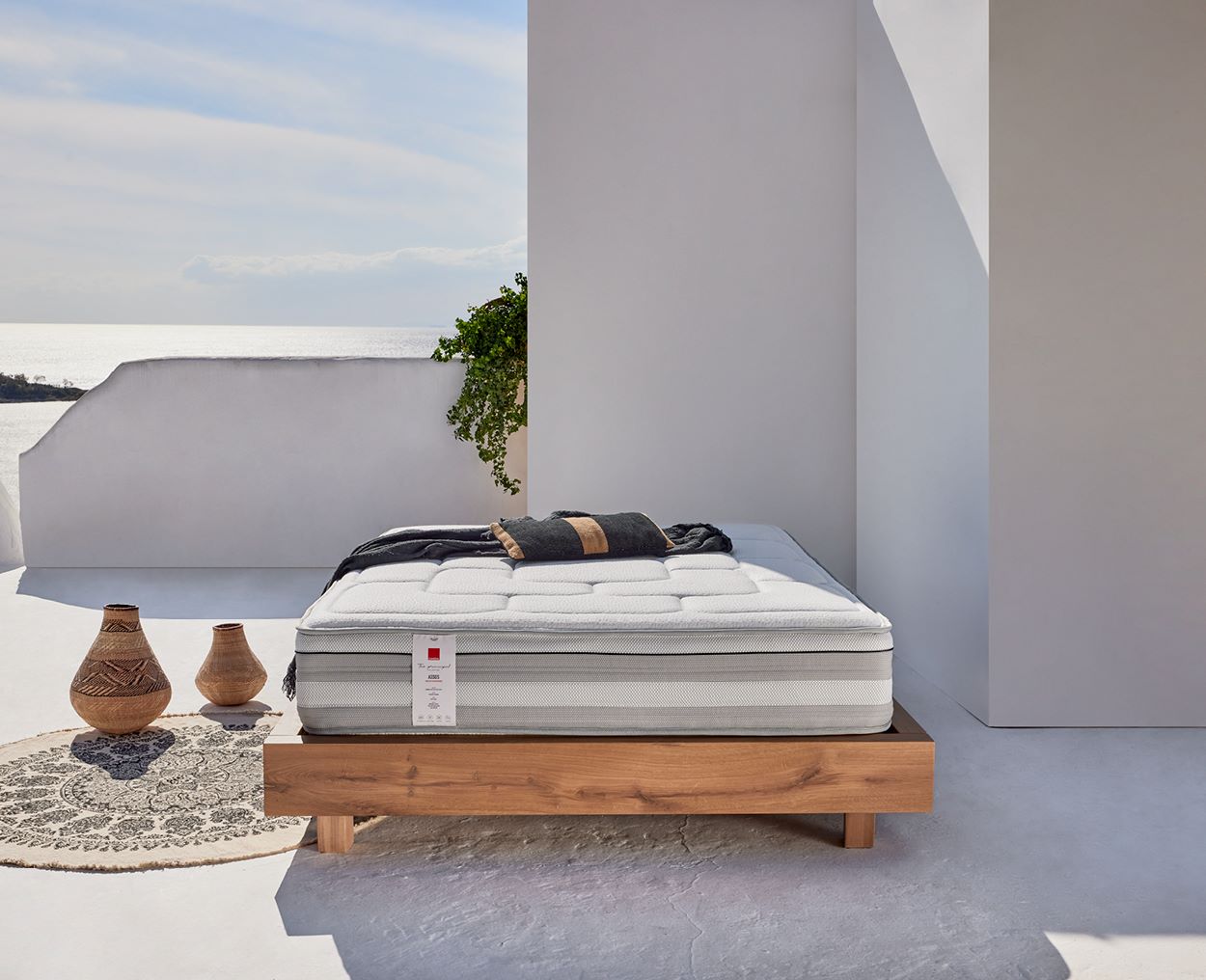
Product URL: https://www.candia.gr/en/mattresses/principal/assos
MALIA
MALIA combines independent Pocket Springs with six layers of materials, including Comfort Foam and Basic Comfort Plus Foam. During your trial, focus on how your shoulders and hips feel against the surface and how the sensation changes when you turn. The construction features help you compare models, but they do not determine your personal comfort on their own.
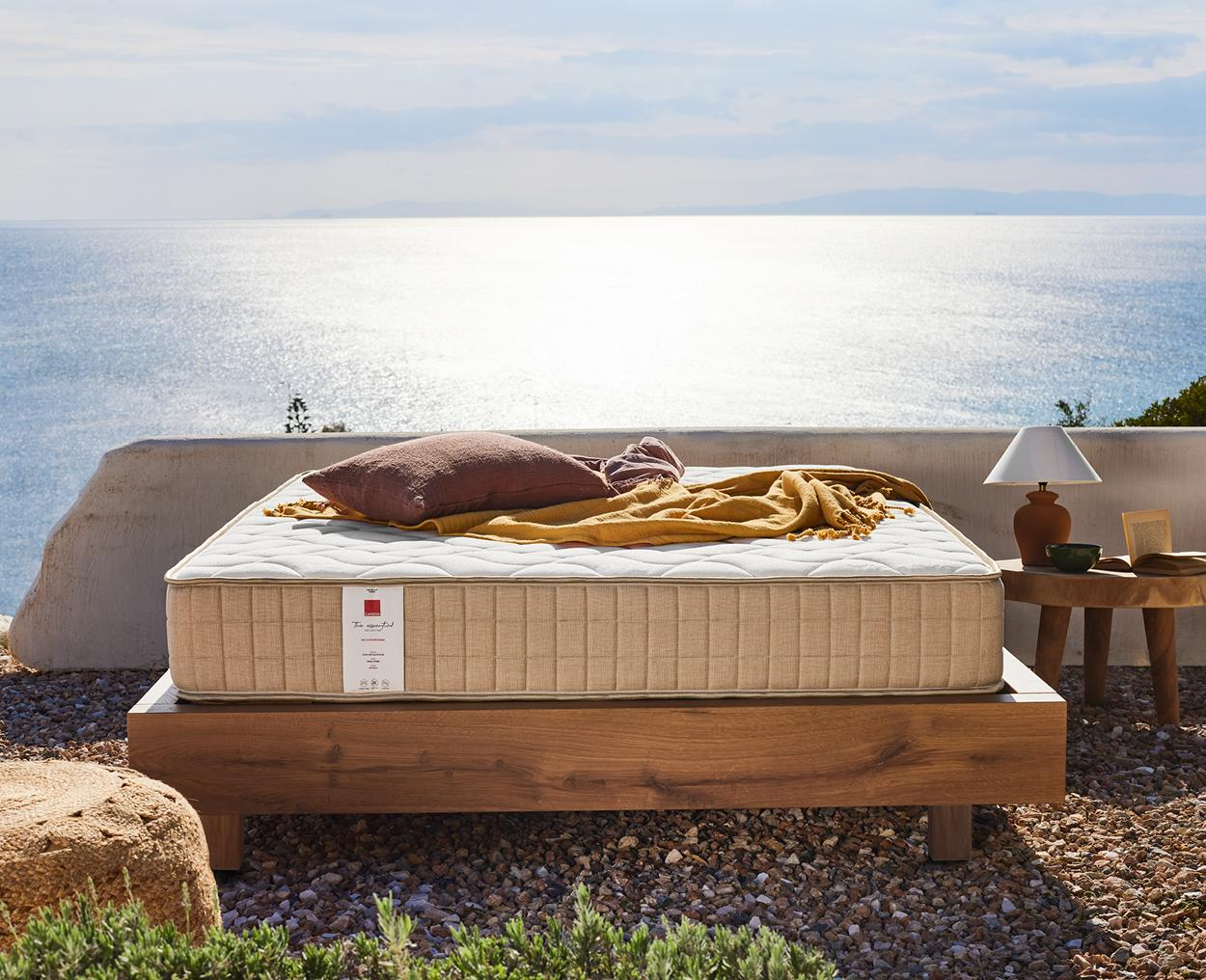
Product URL: https://www.candia.gr/en/mattresses/essential/malia
APOLLONIA
APOLLONIA features a Dura-Ace Bonnell spring system and eight layers of materials. It offers a different spring construction to try alongside the models mentioned above. Compare how the mattress responds when you change positions and, if you share the bed, how it feels when the other person moves. This will help you assess the mattress under your own sleeping conditions.
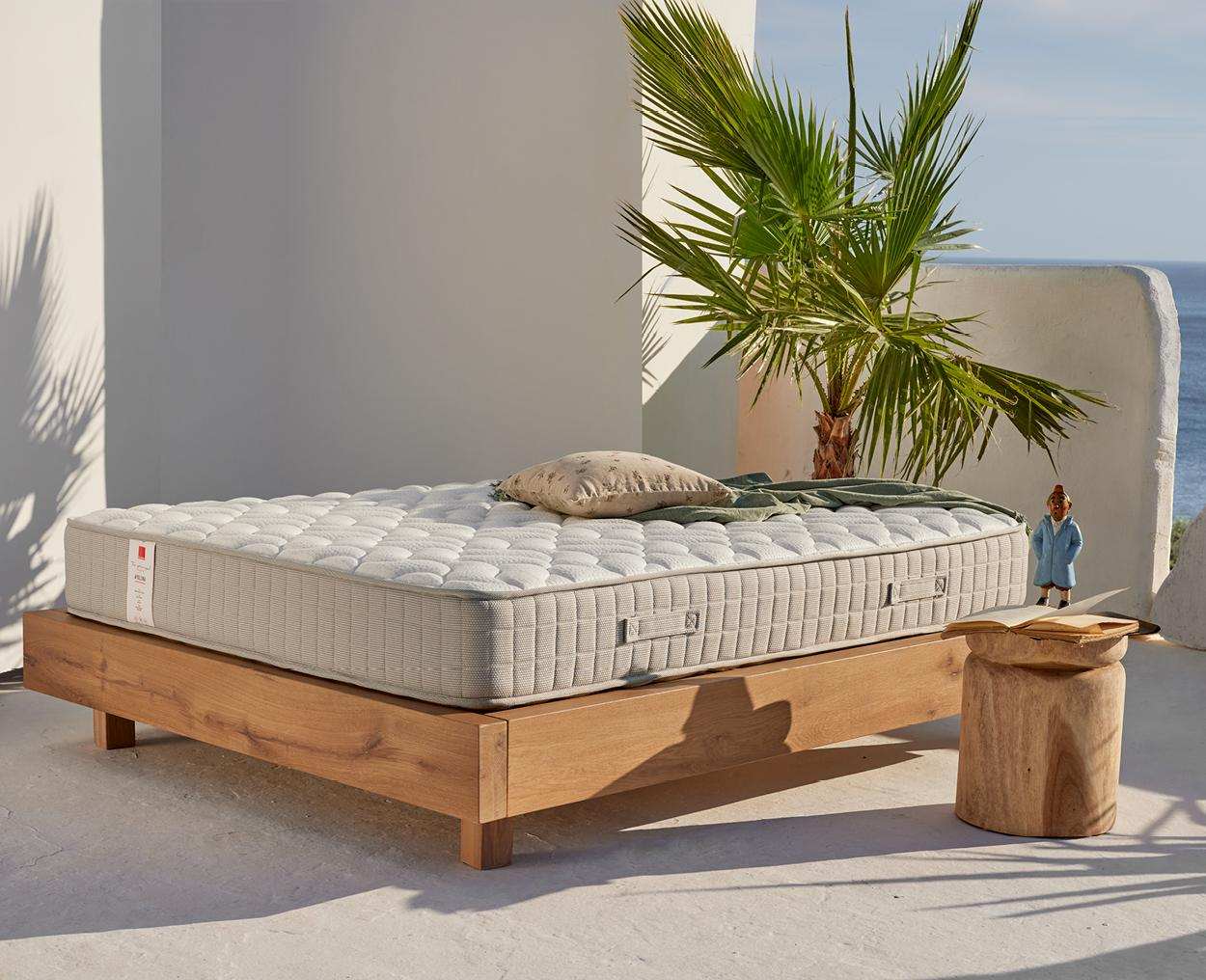
Product URL: https://www.candia.gr/en/mattresses/principal/apollonia
PHAISTOS
PHAISTOS combines Wake Up Refreshed Pocket Springs with seven layers of materials and an integrated Eurotop. Its central height is 33 cm, a detail worth considering together with the bed base to determine the overall bed height. Try the surface while lying down, but also assess how comfortably you can sit on the edge and get up.
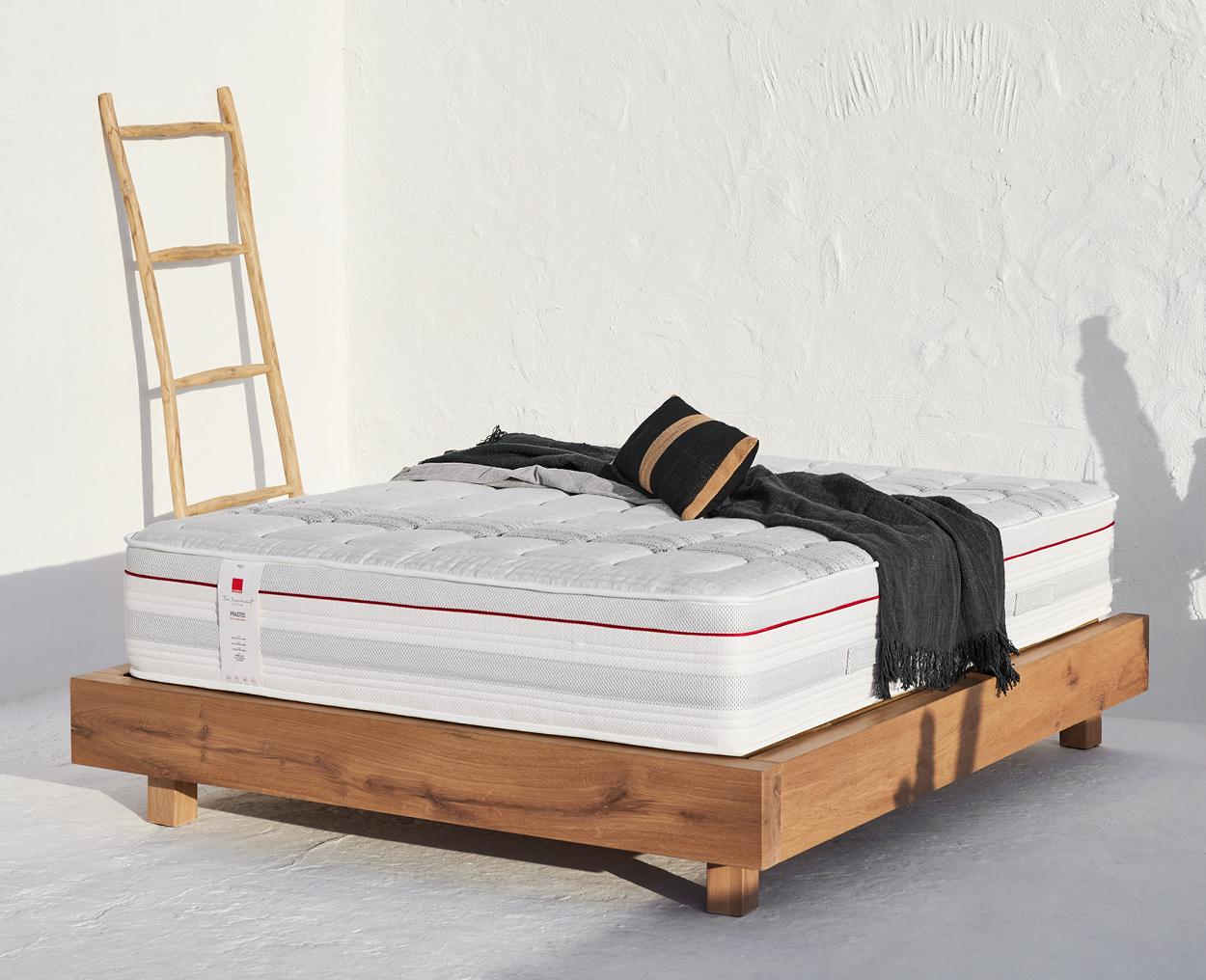
Product URL: https://www.candia.gr/en/mattresses/luxuriant/phaistos
When to Seek Medical Advice
If your pain persists for several weeks, affects your daily activities, or becomes worse at night, seek medical advice. Pain in the upper back, unexplained weight loss, or recurring discomfort should also be discussed with a doctor. Do not delay an assessment while waiting for a mattress change to solve the problem.
Seek urgent medical attention if the pain is sudden and severe, worsens rapidly, or is accompanied by fever and feeling generally unwell. New weakness or numbness in both legs, loss of sensation around the genitals or anus, changes in bladder or bowel control, chest pain, or a serious injury require urgent assessment.
Mattress for Back Pain – Making the Final Choice Based on Your Needs
Choosing a mattress starts with how you sleep and what is troubling you today. Compare a few different constructions, check your bed base and pillow, and focus on your own experience when testing each model. Discover the CANDIA mattress collection and find the feel that helps you lie down comfortably, without basing your decision on promises of pain relief.
This article is intended for informational purposes only and does not replace medical advice.