Candia Blog
Napping is often viewed as a luxury. In reality, however, a short daytime sleep can act as a small reset, especially when you have woken up early, slept less than usual the night before, or feel your energy levels dropping after midday.
You do not need to sleep for hours to notice a difference. What matters most is the duration, the time of day, and the environment in which you rest. When done properly, a nap can help both the body and mind continue the day with greater calm and balance.
What Is a Nap?
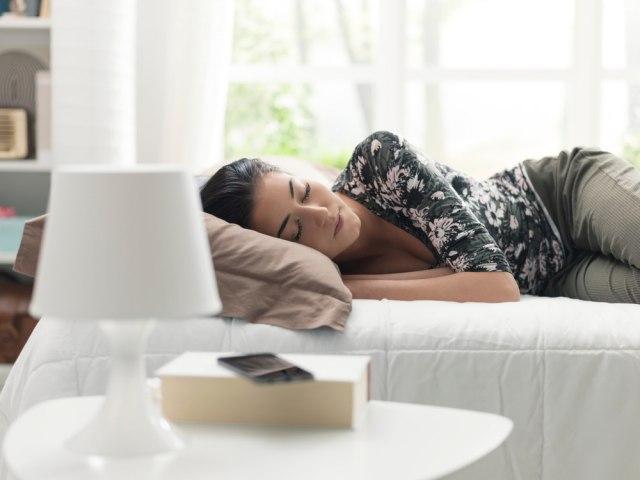
A nap is a short period of sleep taken during the day, usually in the early afternoon. It does not replace nighttime sleep but can serve as a complement, especially when temporary fatigue is present.
The need for daytime sleep is not the same for everyone. Some people wake up refreshed after just a few minutes, while others may feel groggy or disoriented. For this reason, napping should be adapted to your own rhythm rather than becoming something you do simply because you feel you should.
Napping: Benefits
It May Help Reduce Feelings of Fatigue
A short nap can be helpful when your energy levels begin to decline and you find it difficult to continue with your day. This brief period of rest gives the body time to relax and allows the mind to step away from continuous stimuli, screens, and daily responsibilities.
This does not mean that a nap can solve every form of fatigue. If exhaustion is frequent or intense, it may be related to nighttime sleep quality, stress, daily routines, or other factors that require closer evaluation.
It May Support Alertness and Concentration
When kept short and timed appropriately, a nap can help you return to your activities with a clearer mind. For many people, a brief daytime sleep acts as a natural break, particularly during periods of demanding mental work.
Concentration is influenced by many factors, including sleep quality, nutrition, stress levels, physical activity, and daily routines. A nap may support alertness, but it cannot replace a consistent and healthy sleep schedule.
It May Contribute to a Better Mood Throughout the Day
Fatigue affects more than just the body. It often impacts mood, patience, and the way you respond to everyday challenges. A short nap can provide a sense of pause and relaxation, helping you continue the day with less tension.
Even if you do not fall into deep sleep, spending a few minutes in a quiet environment with dim lighting and a comfortable position can feel restorative.
How Long Should You Nap?
For most people, a short nap of around 10–30 minutes (often called a power nap) is the most effective way to feel refreshed without experiencing excessive grogginess upon waking. When naps last much longer, there is a greater chance of waking from a deeper stage of sleep, which can leave you feeling sluggish or disoriented.
Timing also plays an important role. Napping too late in the day may make it more difficult to fall asleep at night, especially if you are already prone to insomnia or tend to go to bed late. Ideally, schedule your nap for the early afternoon and set a gentle alarm to prevent oversleeping.
See also: The 7 Stages of Sleep and How They Affect Your Health
When Can Napping Have a Negative Effect?
Napping is not always the best solution. If you sleep for too long, nap late in the afternoon, or consistently use daytime sleep to compensate for poor nighttime rest, you may disrupt your natural sleep-wake rhythm.
Additionally, if you experience excessive daytime sleepiness, frequently fall asleep unintentionally, or continue to wake up tired despite getting enough sleep, it is advisable to seek guidance from a healthcare professional. Persistent daytime sleepiness can have many causes and should not be addressed solely by increasing daytime sleep.
How to Create the Right Environment for a Short Nap
A good nap starts with the right environment. Choose a quiet space with dim lighting and a comfortable temperature. Avoid disruptive notifications, put your phone on silent mode, and give your body a few minutes to transition from the demands of the day into a more relaxed state.
Comfort is also important. A mattress that properly supports your body and a pillow that suits your preferred resting position can make this short break more enjoyable.
At CANDIA, the sleep experience is approached holistically—from mattress support and comfort to the details that create a calmer and more welcoming environment.
The most important thing is to listen to your body. If a short nap helps you feel refreshed, it can become part of a more balanced rest routine. If, on the other hand, it leaves you feeling sluggish or interferes with your nighttime sleep, you may need to adjust its duration, timing, or frequency.
Note: This article is intended for informational purposes only and does not replace professional medical advice, diagnosis, or treatment. If you experience persistent fatigue, excessive daytime sleepiness, or ongoing sleep difficulties, consult a qualified healthcare professional.
Sources:
CDC: https://www.cdc.gov/sleep/about/index.html
Mayo Clinic: https://www.mayoclinic.org/healthy-lifestyle/adult-health/in-depth/napping/art-20048319
CDC/NIOSH: https://archive.cdc.gov/www_cdc_gov/niosh/emres/longhourstraining/napping.html